Reclaiming Black Saara’s Legacy – Tuli Mekondjo
Texts
RECLAIMING BLACK SAARA’S LEGACY
Article, on Tuli Mekondjo’s performance at the Dak’Art Biennale, Dakar, 2024. Performance Art Museum reviews, February 2025
Read the full text on Performance Art Museum ↗
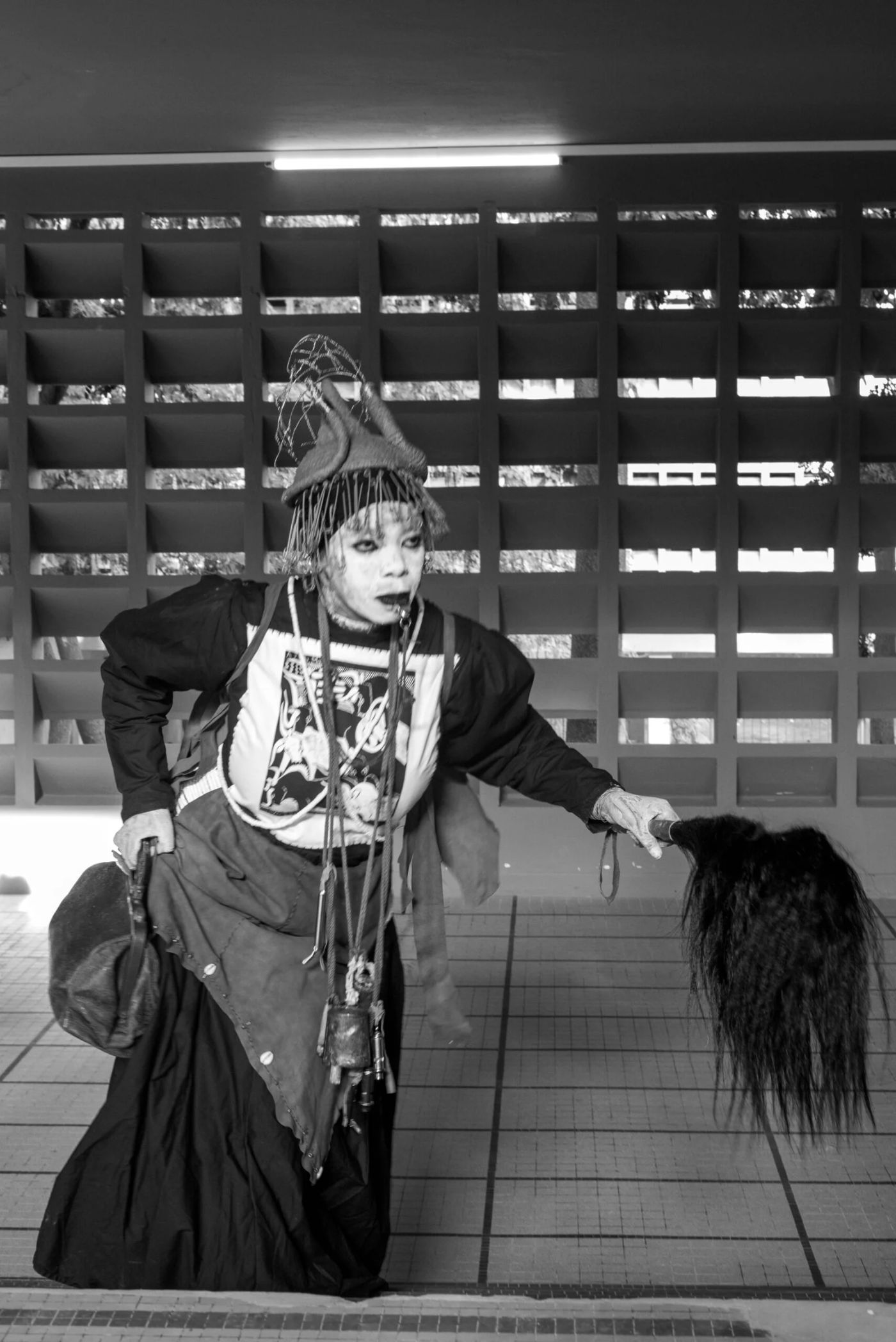
Tuli Mekondjo embodying Black Saara, Dak’Art Biennale, Dakar, 2024. Photo: Pierre de Perouges

Haptic Library – Dak’Art Biennale
Curatorial
ARCHIVE ENSEMBLE – HAPTIC LIBRARY
Biennial, with Archive Ensemble, February to December 2024, Ancien Palais de Justice, Dak’Art Biennale, Dakar
A Flood is a Remembering: Communing in Catastrophe
“[T]he act of imagination is bound up with memory. You know, they straightened out the Mississippi River in places, to make room for houses and livable acreage. Occasionally the river floods these places. ‘Floods’ is the word they use, but in fact it is not flooding; it is remembering. Remembering where it used to be. All water has a perfect memory and is forever trying to get back to where it was.”
Toni Morrison, “The Site of Memory”
“Wake: the track left on the water’s surface by a ship; the disturbance caused by a body swimming or moved, in water; it is the air currents behind a body in flight; a region of disturbed flow. […] I mean wake work to be a mode of inhabiting and rupturing this episteme with our known lived and un/imaginable lives.”
Christina Sharpe, In the Wake
Inspired by Christina Sharpe’s call for “wake work” as a fugitive and resistant means of inhabiting and rupturing dominant epistemes, and Toni Morrison’s invitation to re-membering through floods of love and imagination, Archive Ensemble offers an overflowing space for deep listening, deviant learning, and riotous communion.
In the wake of constant historical catastrophes manufactured by hegemonic and heteronormative patriarchy (slavery, colonialism, imperialism, capitalism, and Zionism), we carefully take up both Sharpe’s and Morrison’s reflections as pedagogical gifts: if the movement of water found in the wake, and in floods, is the ruptural movement of re-membering what has been concealed and unloved, but also what cannot be contained and insurgently asks to be sensed, then what other swells of collective existences might we read, not as troubled deviations from a socialized norm but as threads of resilience, resistance, and remembrance against oppressive regimes?
A flood is a remembering: communing in catastrophe navigates temporal and geographical boundaries, bringing together a myriad of misdiagnosed and misunderstood waves of knowledge transmission. It invites us to read the text(tures) of textiles, recite the prose of plaits, study the syntax of sonics, and generate citations of seeds and shouts. Hence, we are called to engage with the particular yet constitutive formations that characterise our living experiences by reopening forgotten archives, which are not confined to the written word, the finitude of the book, and the conventional idea of the library.
The very foundations of the library, commonly framed within the canonised image of a treasurable lieux de mémoire or sites “where memory crystallises and secretes itself” (Pierre Nora), are problematised. Throughout history, and especially after the print revolution, libraries have become repositories of books, materials, and documents purposely selected to record and make public a specific model of knowledge based on concealments, censorship, and iterations aimed at consolidating a dominant narrative. Libraries have retraced colonial and imperialist practices, which, as Edward Said and Michel Foucault pointed out, were primarily “textual enterprises” based on the entanglement of knowledge and power. As a result, libraries housing those textual enterprises have become a dangerous source of control. According to V.Y. Mudimbe, who coined the phrase “colonial library,” imperialist accounts of Africa and other colonised regions of the world must be decentered. Knowledge must be released from present research systems that obscure the presence of other libraries, ways of thinking, and processes.
It is in the wake of these suggested pathways and alternative publishing practices that Archive Ensemble presents the Haptic Library as an anti-colonialist library that re-imagines and reroutes the library as a souq, a fluid space for communal desire, an ark(he) of social justice not delimited by the hierarchies and individualistic logics of institutions, but given to excess, overflow, exchange, and collision not only as a methodology but as a study of ways of being that are inherent “with,” “across,” and “through.” Drawing inspiration from the word “hapticality,” as proposed by Stefano Harney and Fred Moten in The Undercommons, the Haptic Library presents itself as a receptacle for extending “the capacity to feel through others, for others to feel through you, for you to feel them feeling you…” It questions the inherent dominance of sight and printed matter by bringing multiple approaches to inscribing and disseminating knowledge into proximity and encouraging interaction with a range of textural forms and modes of thought. Ultimately, it interrogates the politics of space by suggesting other ways of inhabiting sites of power.
As such, the Haptic Library infiltrates the Ancien Palais de Justice, a former courthouse and colonial architecture; it serves as a liquid laboratory of imagination and radical thinking. Here, the act of re-membering becomes a form of re-writing and resisting colonial narratives that have dis-membered affectivity, bonds, and entire cultures. Here, love provokes “floods and floods of blocked memories” to break (Morrison). Here, the doors of justice swing open to several questions, since questioning signals the movement of thought about what the wake awaits and awakens.
How can floods of violently repressed archives break how we know the world? What if the iterative power of knowledge, as affirmed and reinforced by patriarchal, colonial, and capitalist paradigms, is replaced by “unearthing and piecing together the fragmented members of existence” (Jacqui M. Alexander)? What memory is disseminated through publishing virtuality, its capacity to re-imagine the wor(l)d as “contingency and possibility” rather than “necessity and determinacy” (Denise Ferreira da Silva)? How can publishing be activated as the ground for collective solidarity and inseparability, and participate in undoing fixed boundaries? “What is opportunity in the wake of catastrophe, and how is opportunity always framed?” (Sharpe).
As we navigate the turbulent currents of the present moment, let us embark on a journey of wake work, reclaiming agency, and forging pathways towards liberation and the consciousness that we are part of a living memory that, like a flood, cannot be contained but instead requires us to hold together and “dare yearning for each other” in power and love (Alexander). Holding steadfast to our capacity to commune in the wake of catastrophe, unashamed if they call it a riot or protest, delinquent or delusional, unlawful or unsanctioned, for Morrison reminds us, “‘floods’ is the word they use, but in fact, it is not flooding; it is remembering.”
Archive Ensemble, Dakar, 2024
The Haptic Library is part of Archive Ensemble’s research formation “Publishing Practices,” which studies extended publishing possibilities by uncovering other ancestral knowledge and extra-logical thinking.
Artists: Zineb Achoubie & Lorenzo Sandoval, Rashida Bumbray, Banji Chona, Diana Ejaita, Adama Delphine Fawundu, Keren Lasme, Elsa M’bala, Nontsikelelo Mutiti, Katy Léna Ndiaye, Sara Ouhaddou, Lerato Shadi
Curators (Archive Ensemble): Mistura Allison, Kany Ndiaye Sarr, Chiara Figone, Samira Ghoualmia, Kennedy Jones, Salma Kossemtini, Tabara Korka Ndiaye
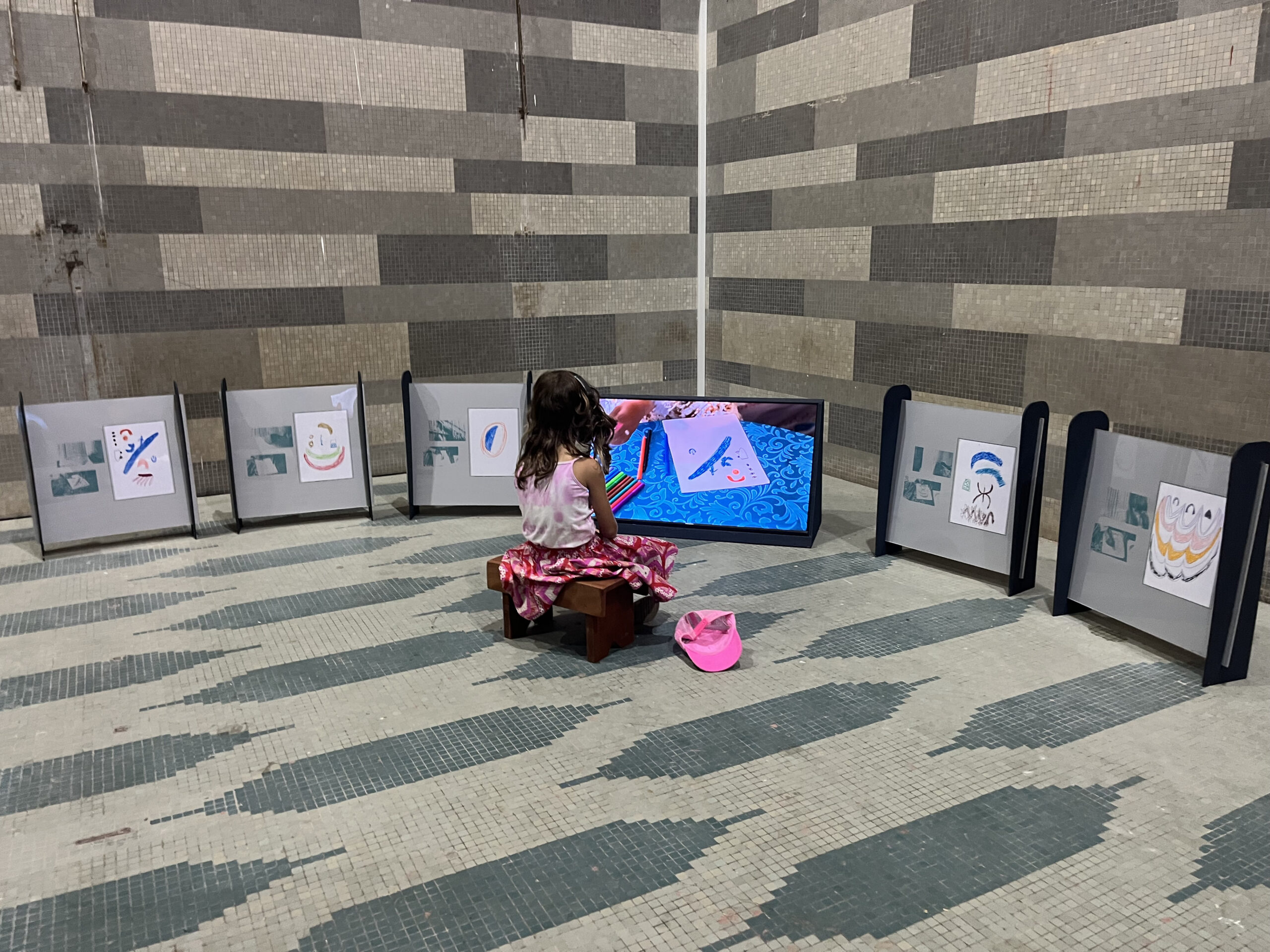
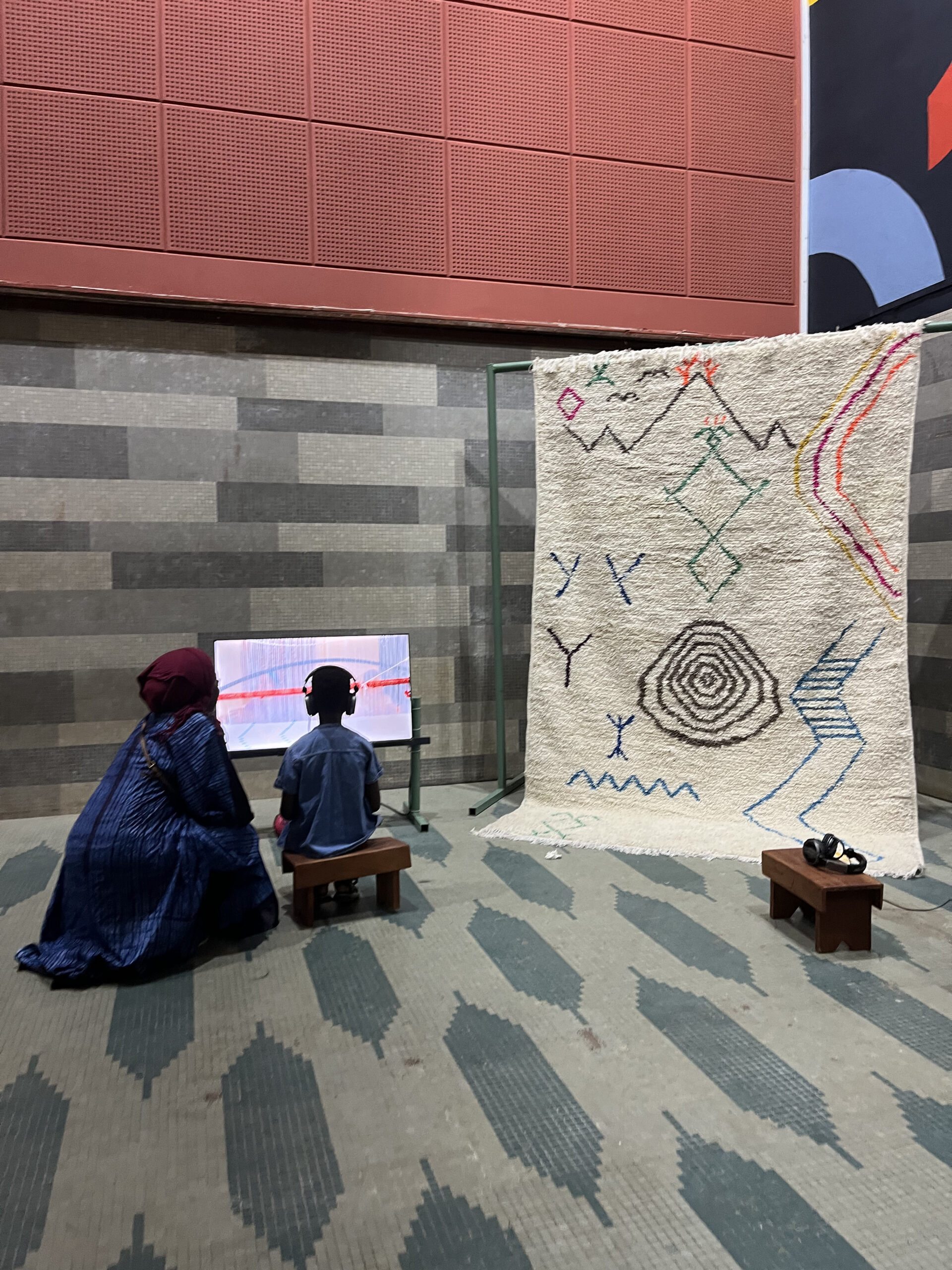
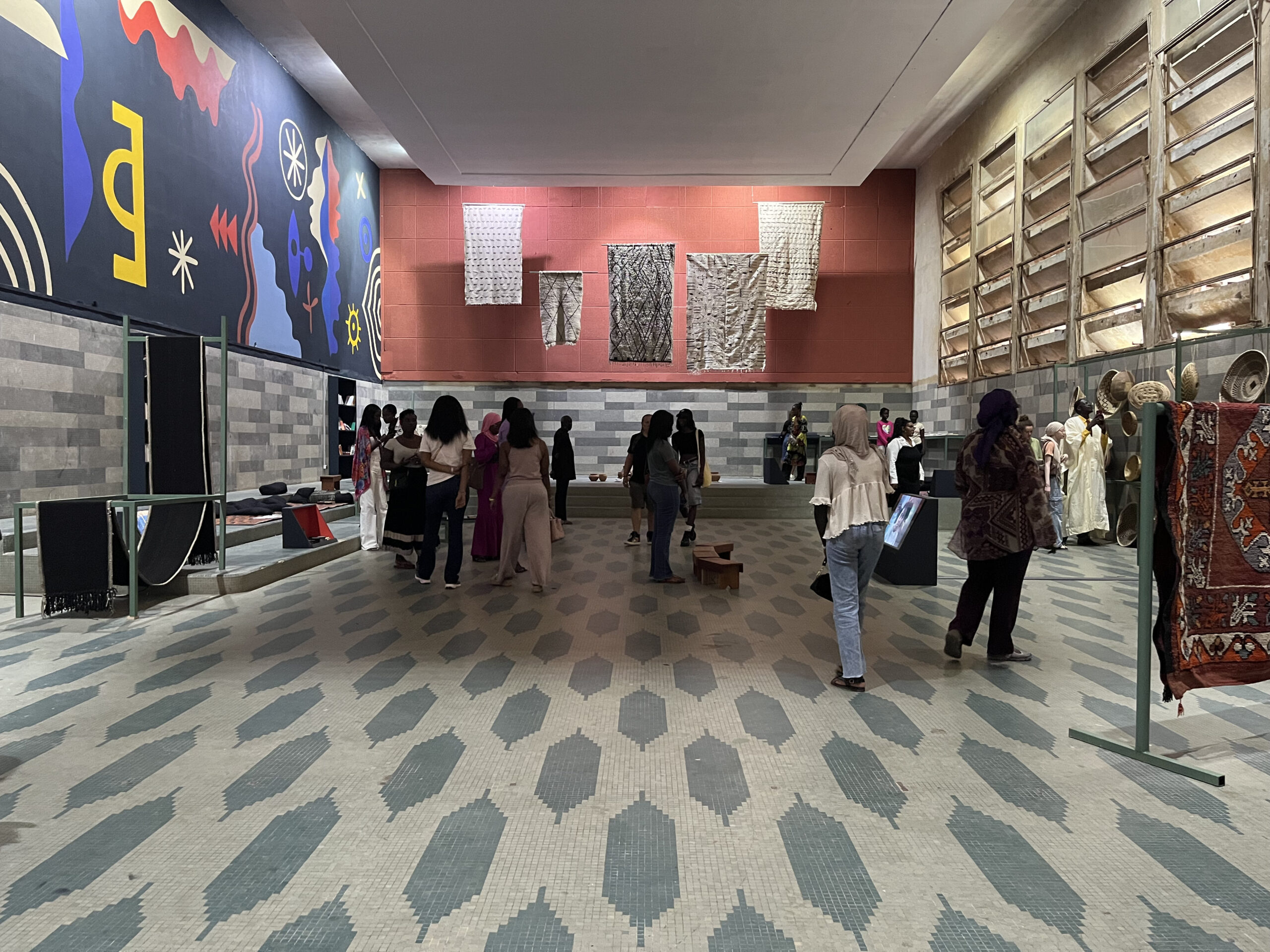
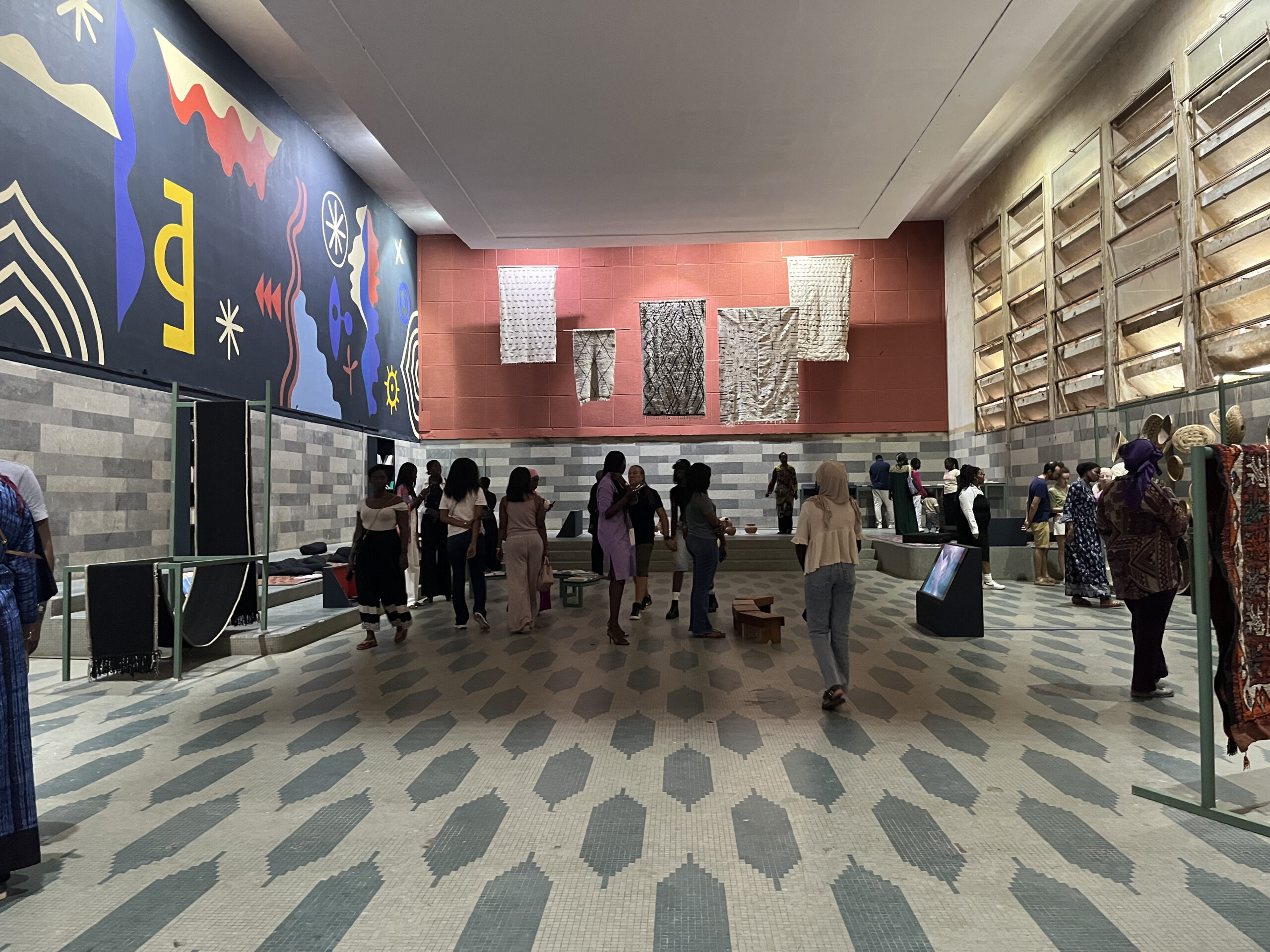
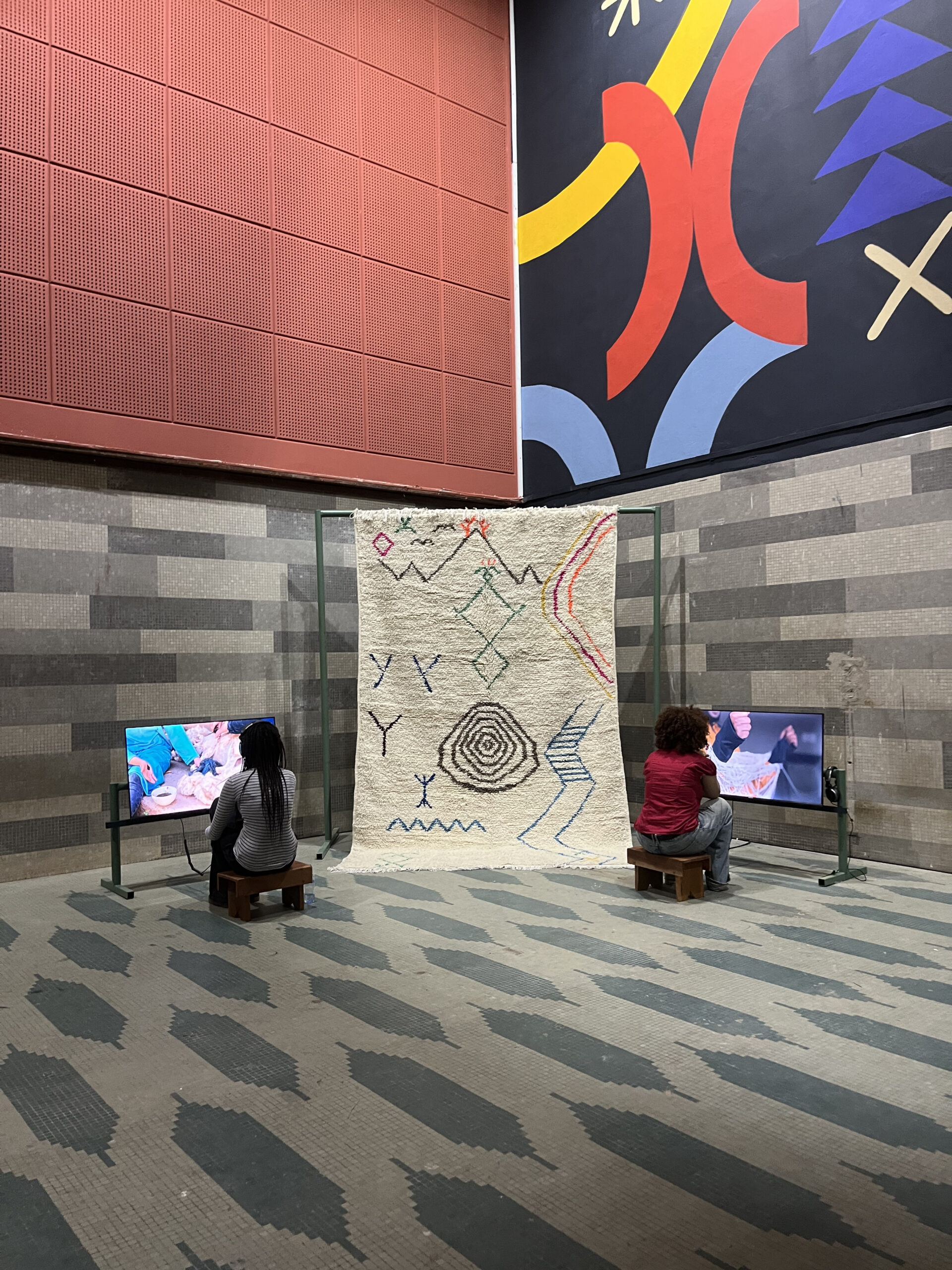
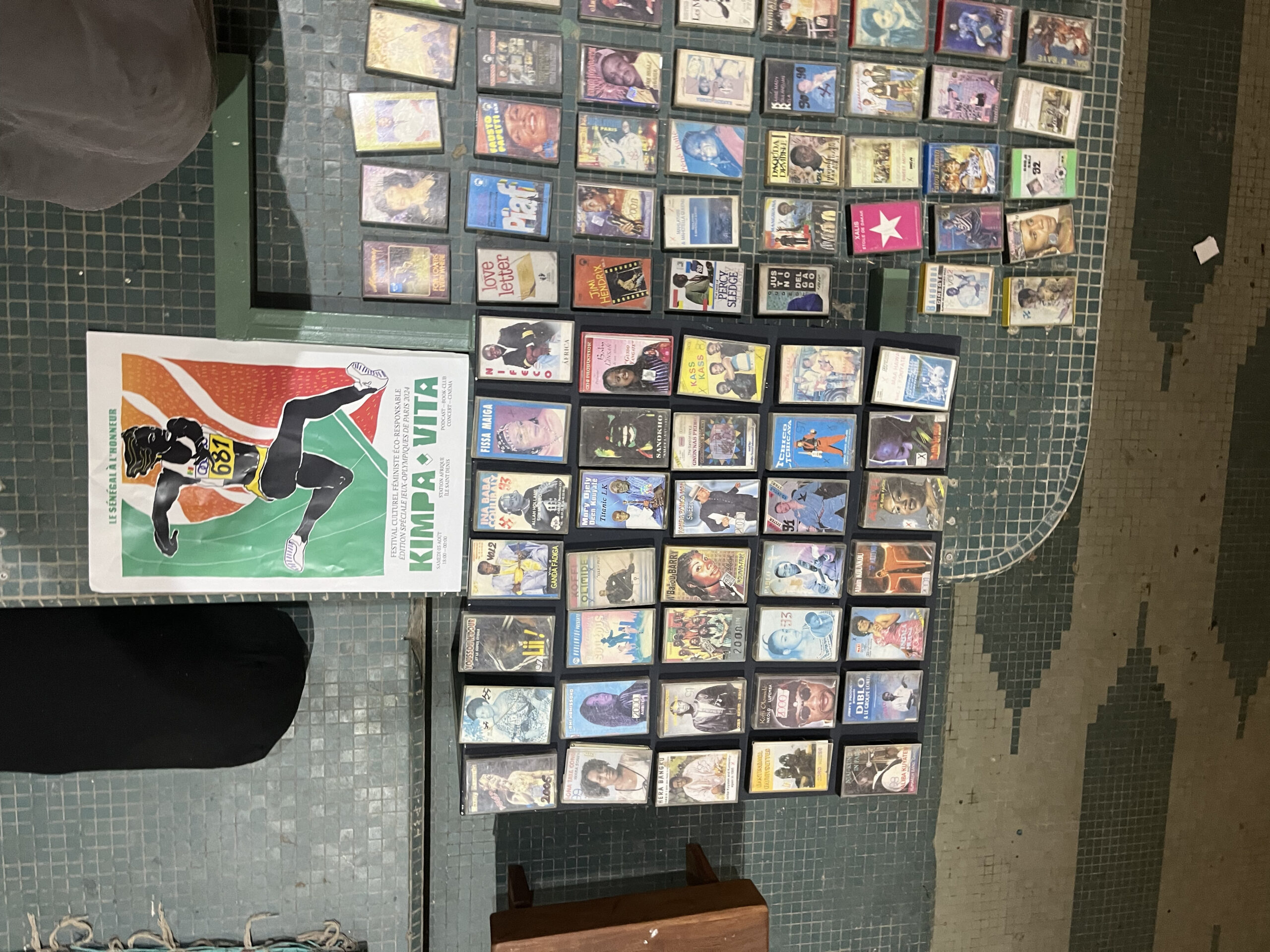
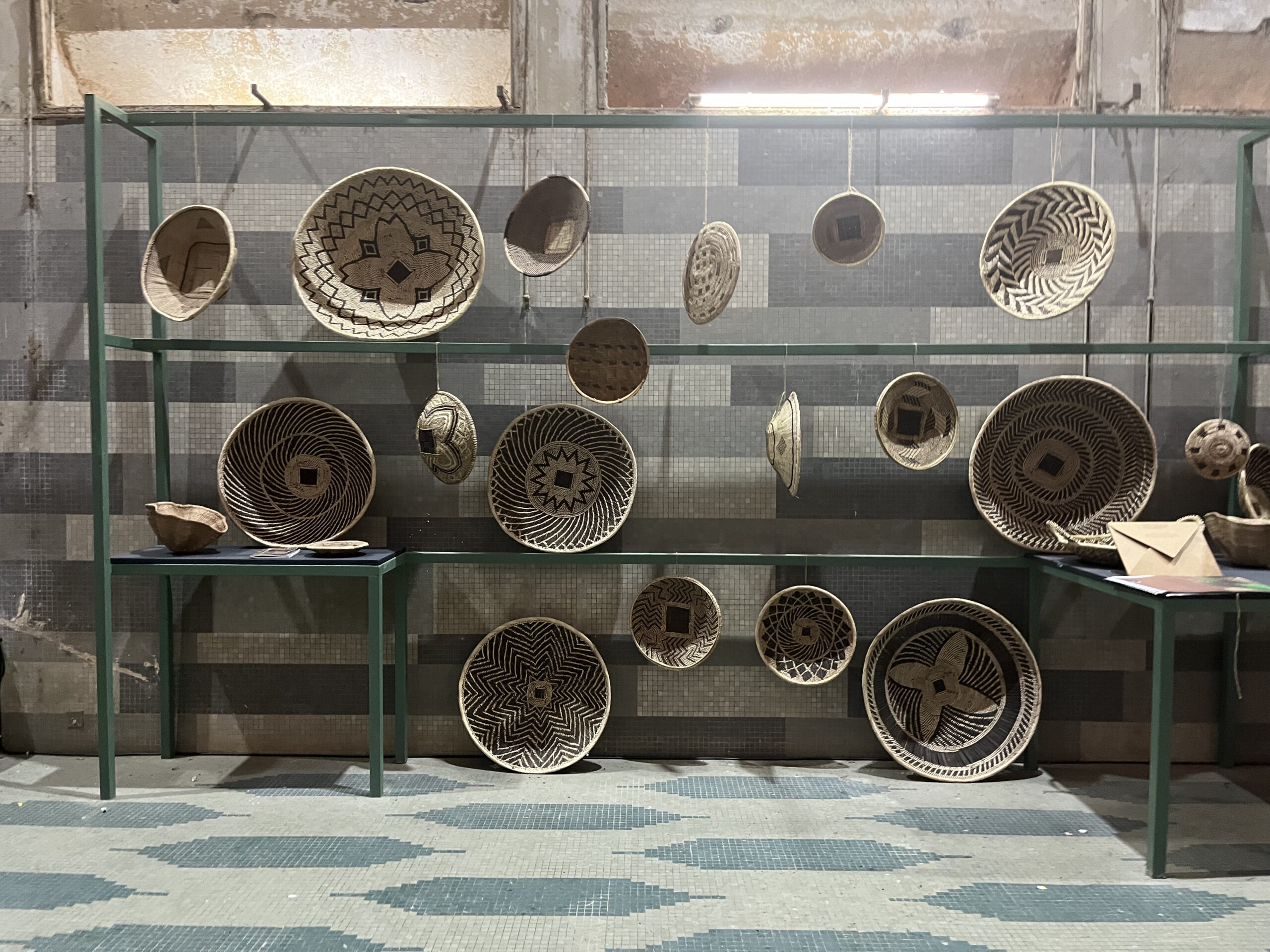
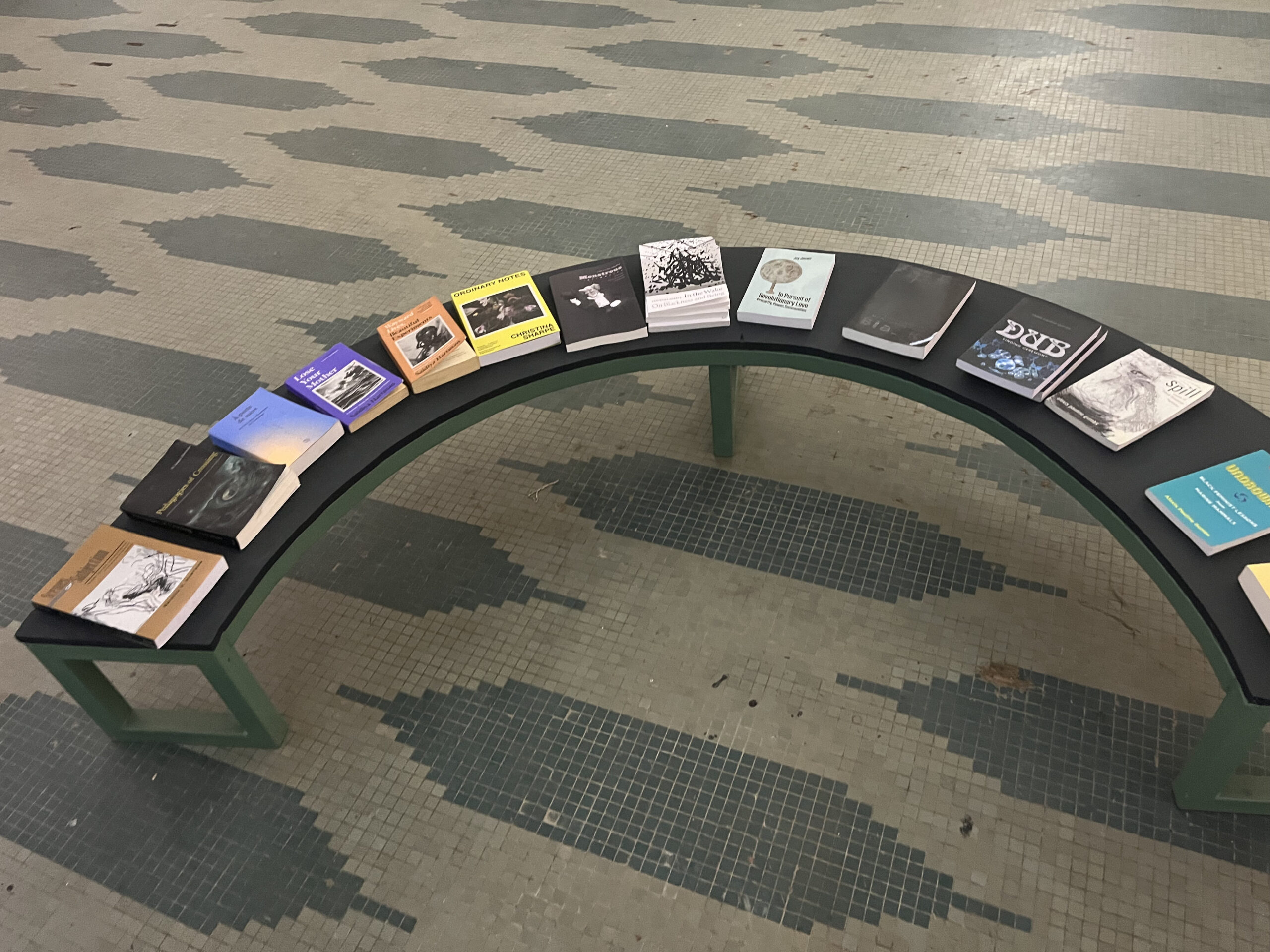
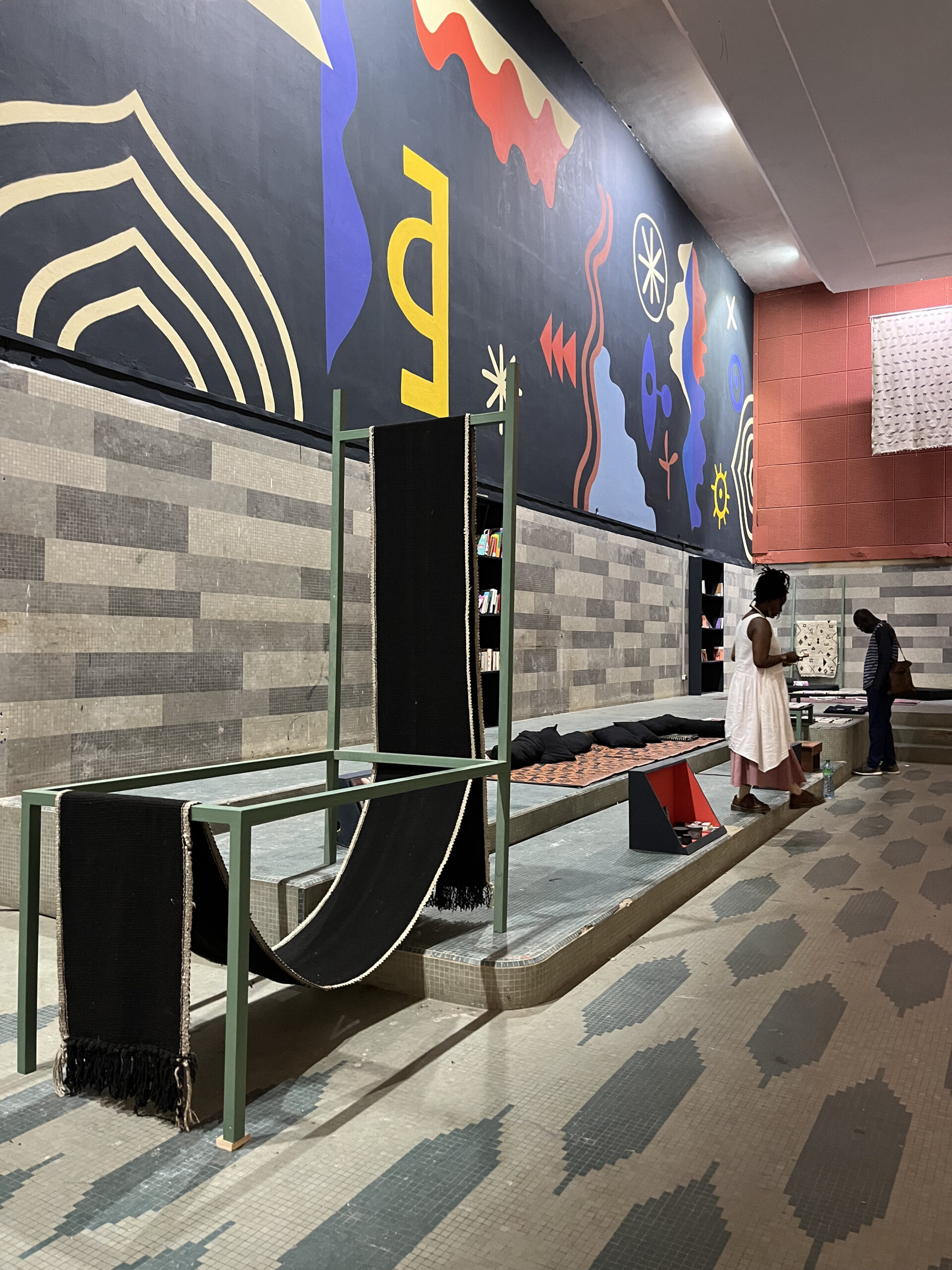
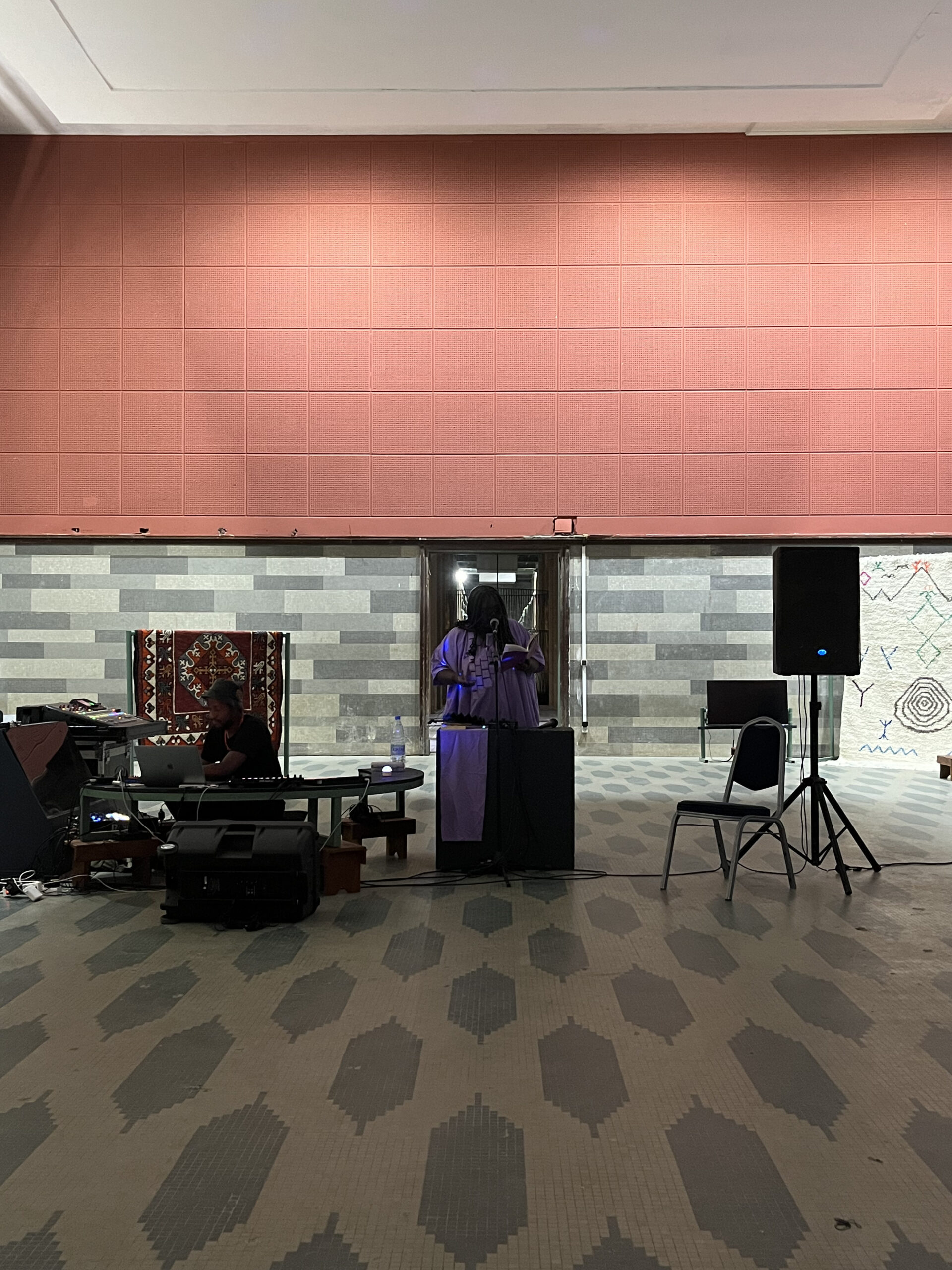
Photos: Salma Kossemtini
Nidhal Chamekh – Et si Carthage?
Curatorial
NIDHAL CHAMEKH – ET SI CARTHAGE?
Solo show, 25 January to 24 March 2024, Selma Feriani Gallery, Tunis
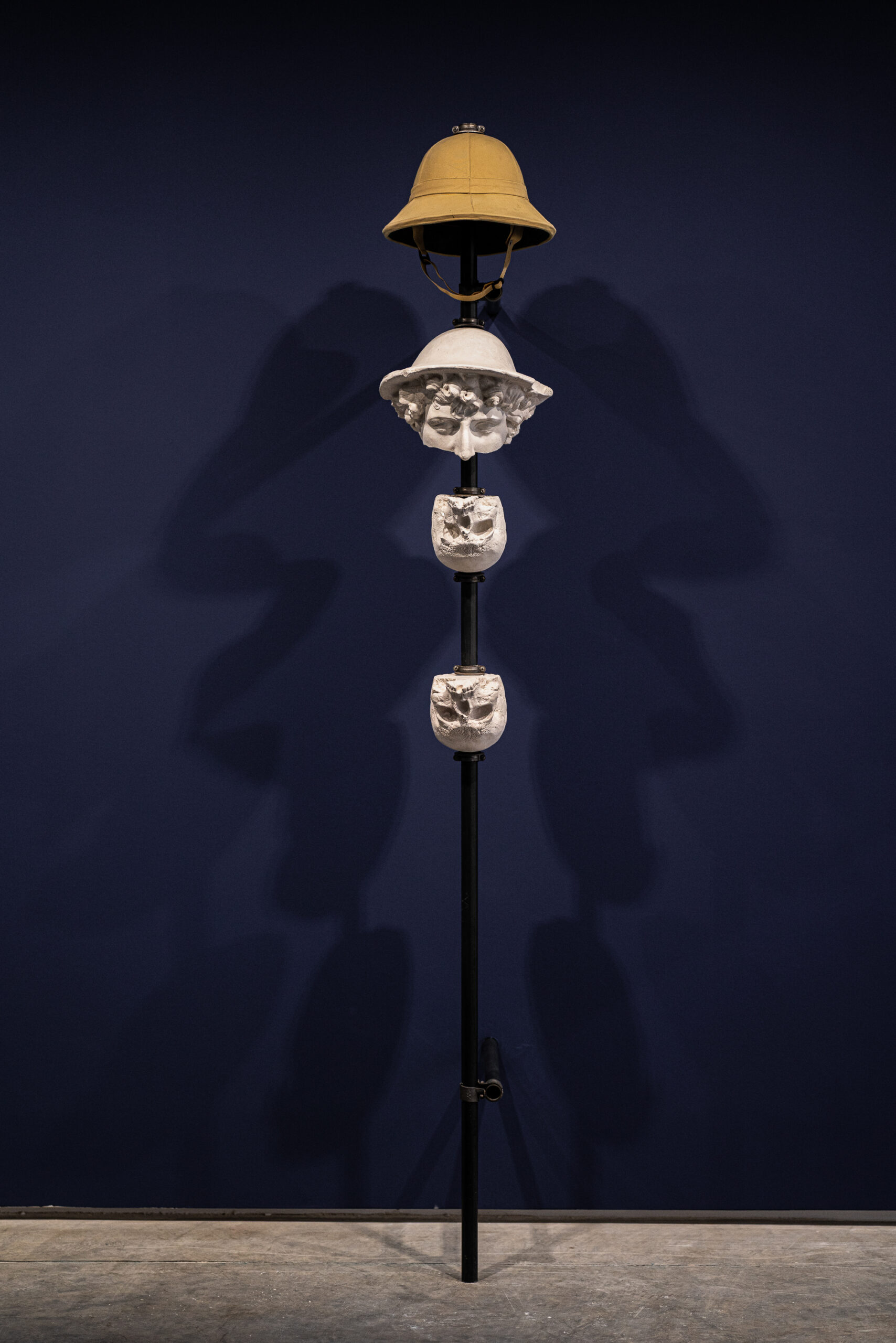
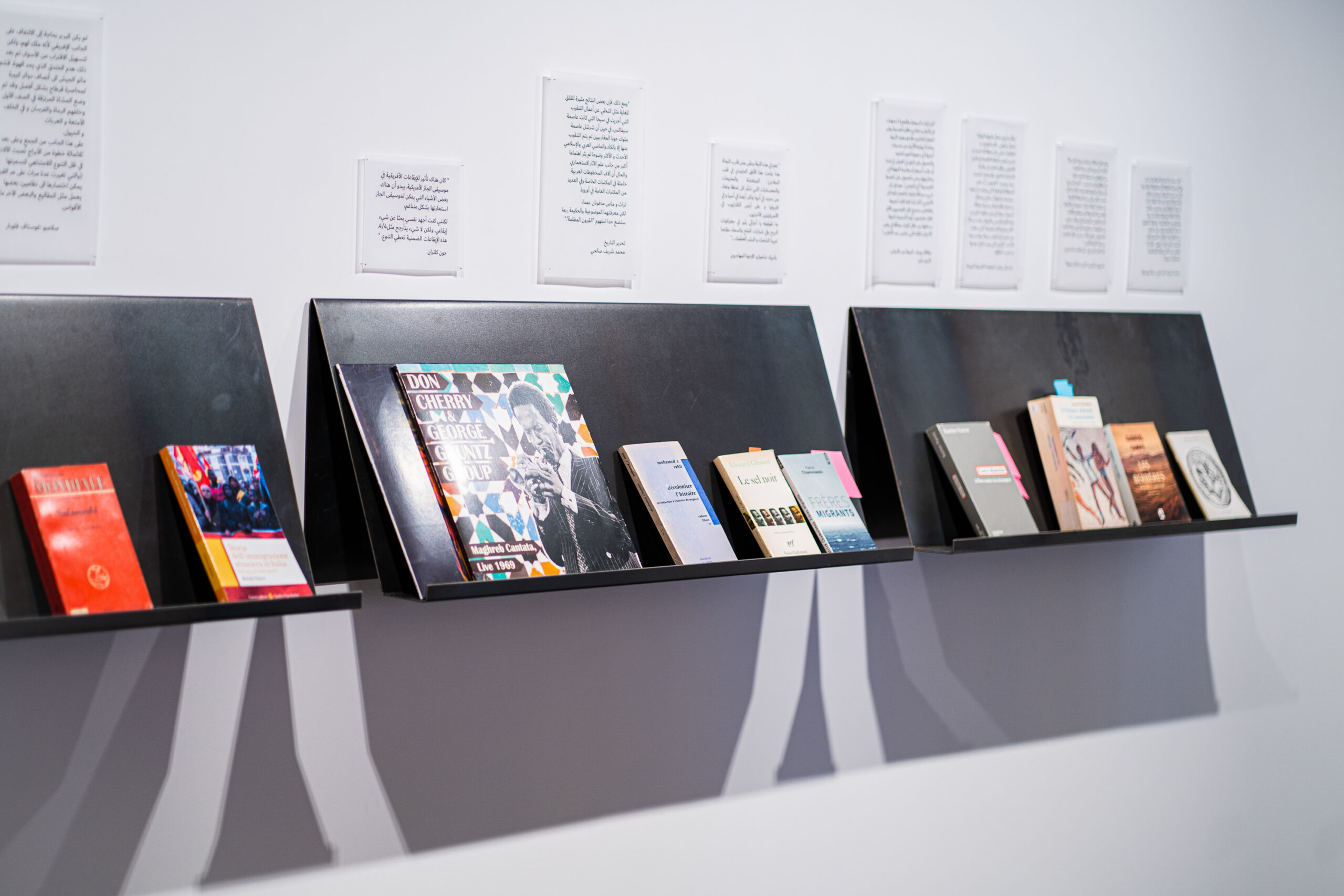
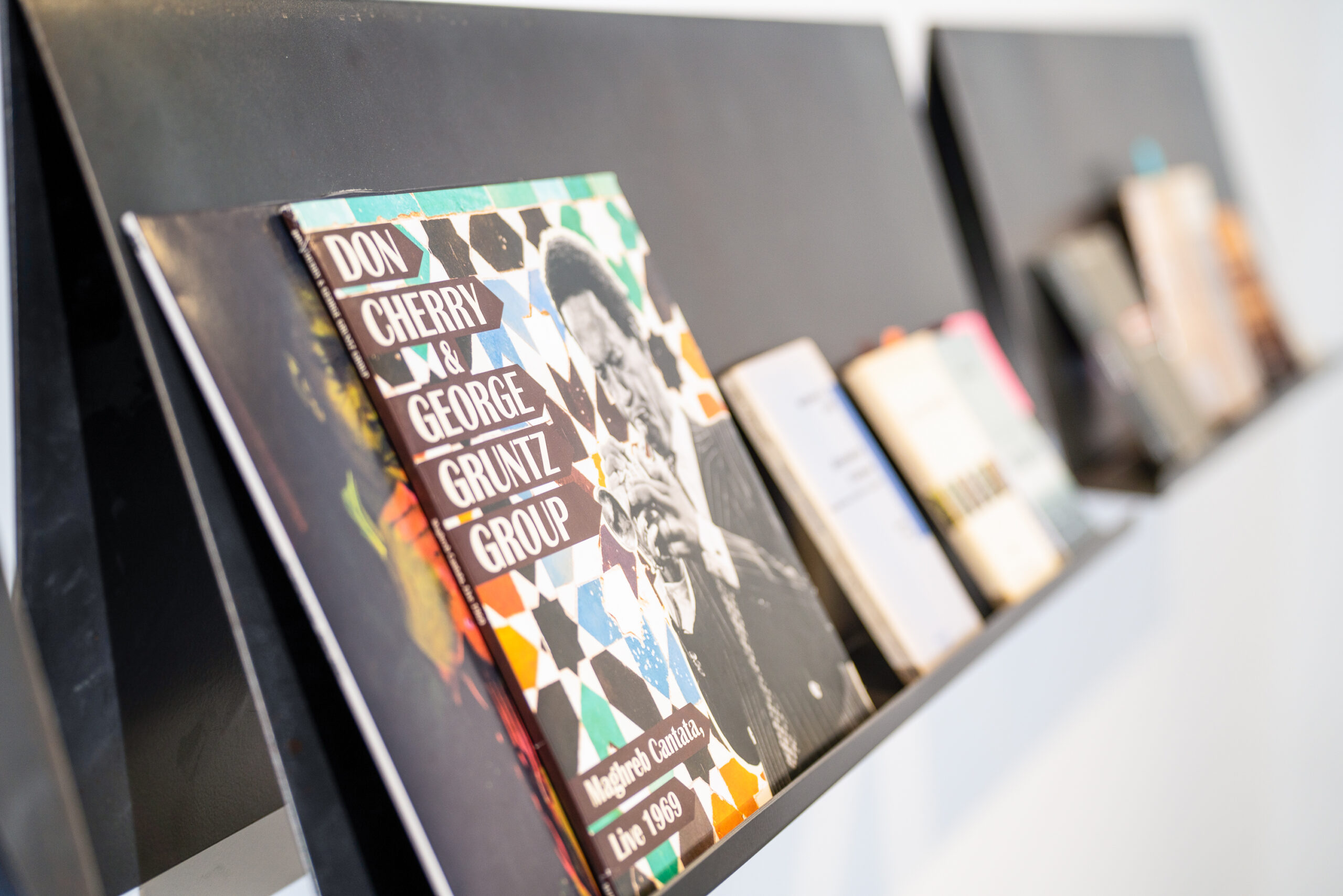
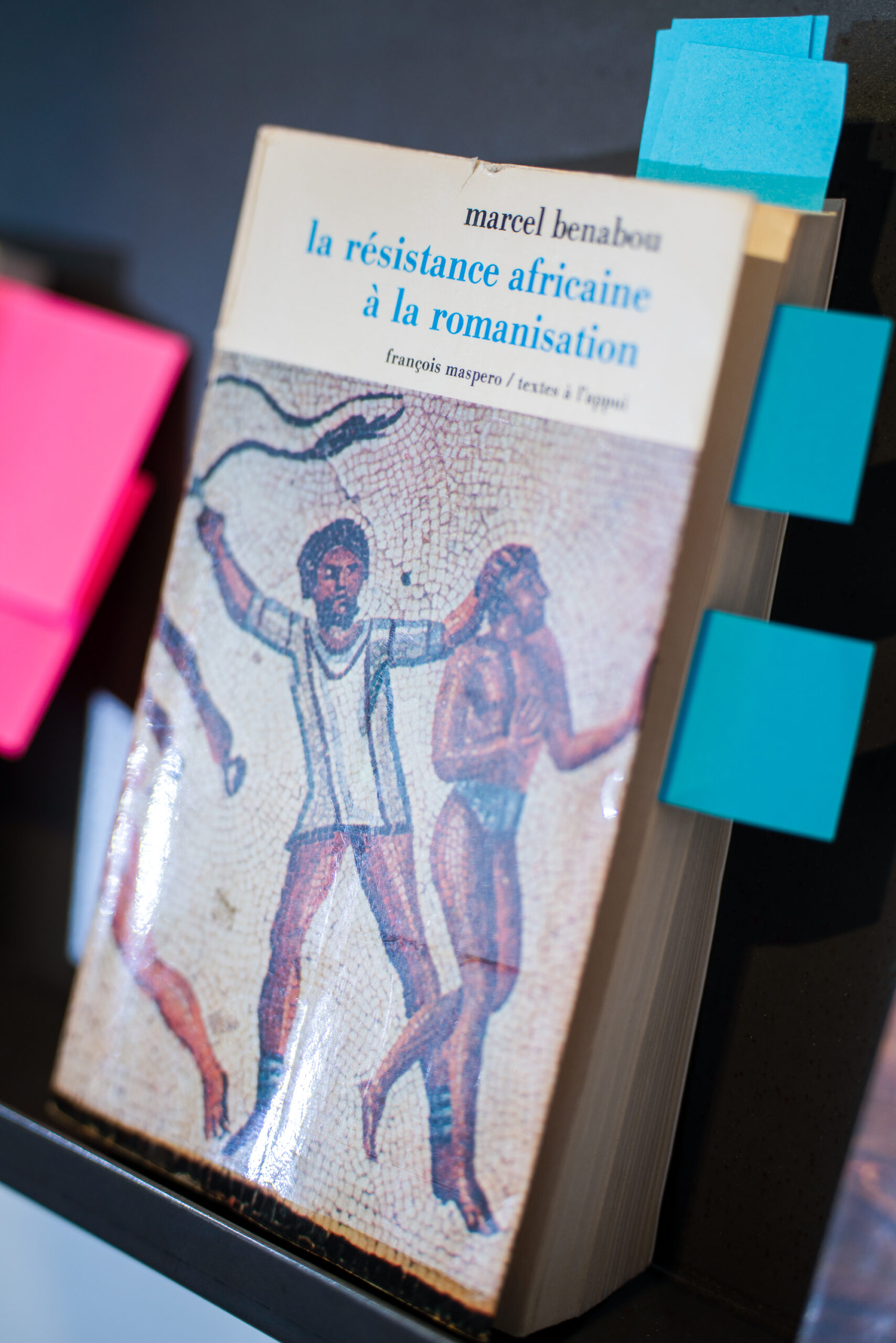
Et si Carthage? takes its title from a question asked by Édouard Glissant: what if Carthage had not been destroyed? What might the Mediterranean have become had the Phoenician city, a place of crossroads and encounters, continued to exist alongside Rome?
The exhibition takes this question as its starting point and opens a moment in which the past, present and future of exile can be read transversally, as times that are all interconnected.
Nidhal Chamekh turns this question into a field of research. Through sculptural assemblages and drawings such as Masque noir, tête de Niobides (2023) and Calchi facciale (2023), the exhibition confronts the history of Mediterranean antiquity with the ways it was read and used by colonial ideology, and with the crossings and exiles of the present.
I accompanied the project from its research phase: following the work in the studio throughout the months of production, and building with the artist the cartography of concepts, images and references that structures the exhibition, from Glissant’s Carthage to the archaeological and colonial narratives of antiquity.
Artist: Nidhal Chamekh
Research, studio follow-up and cartography: Salma Kossemtini

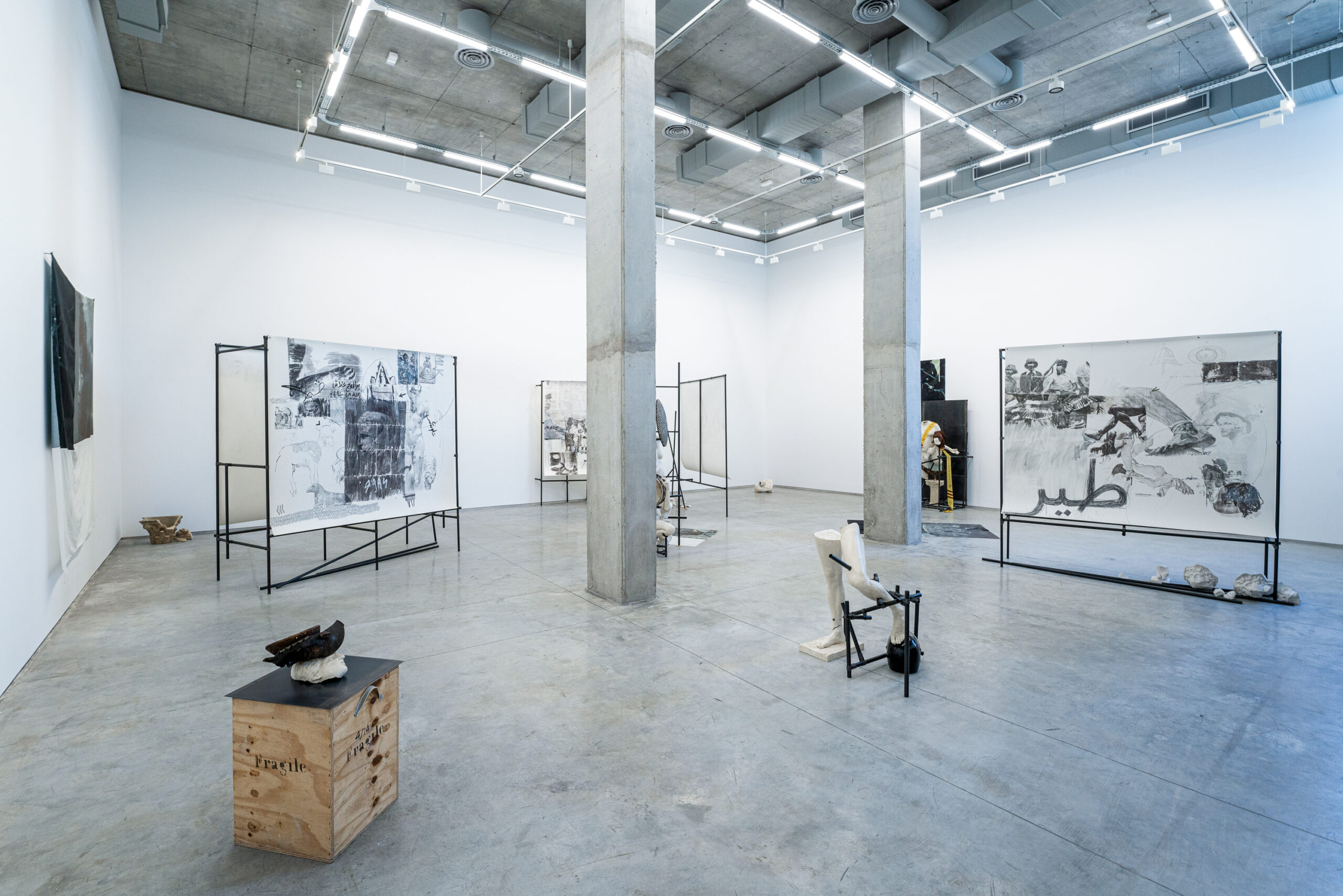
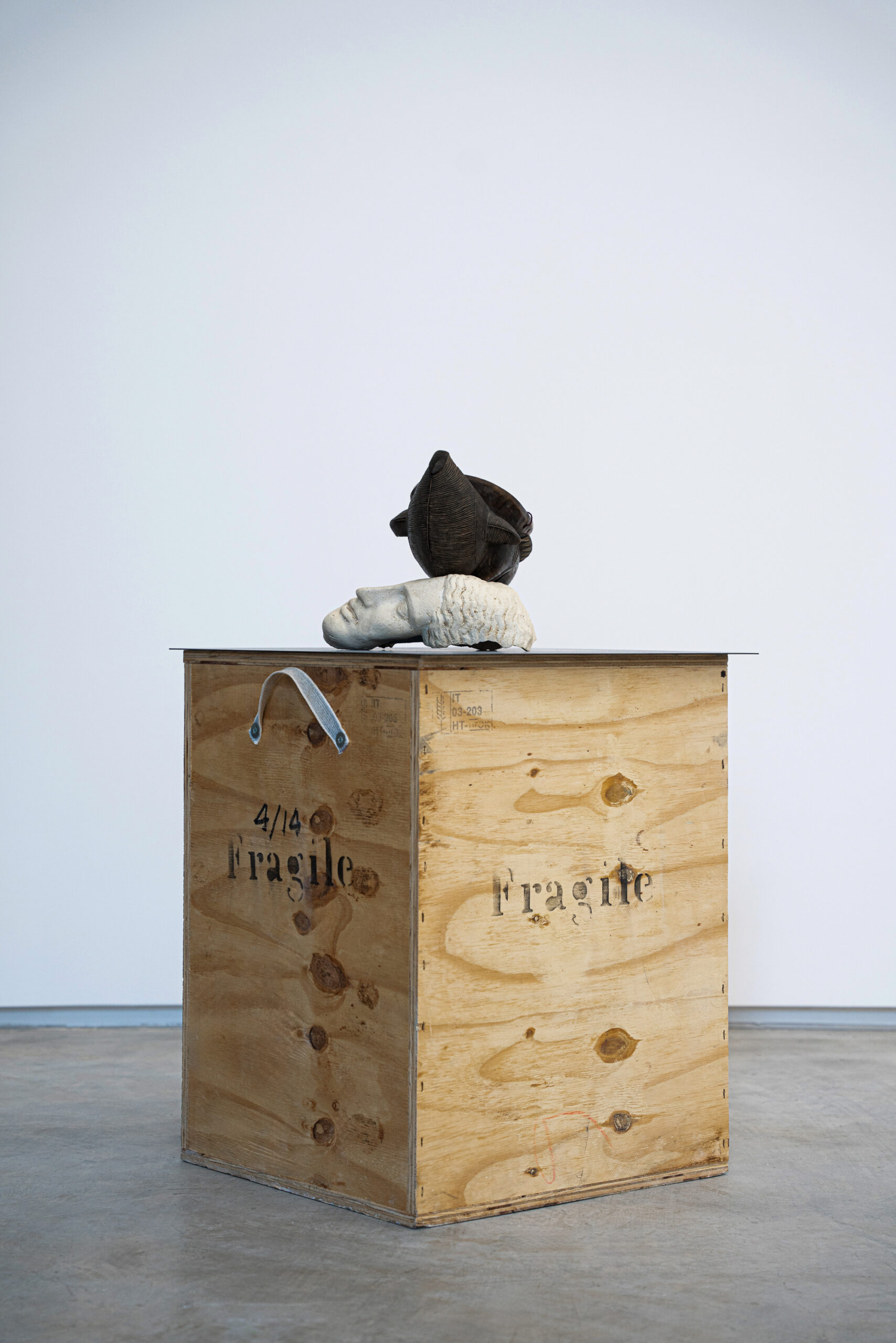
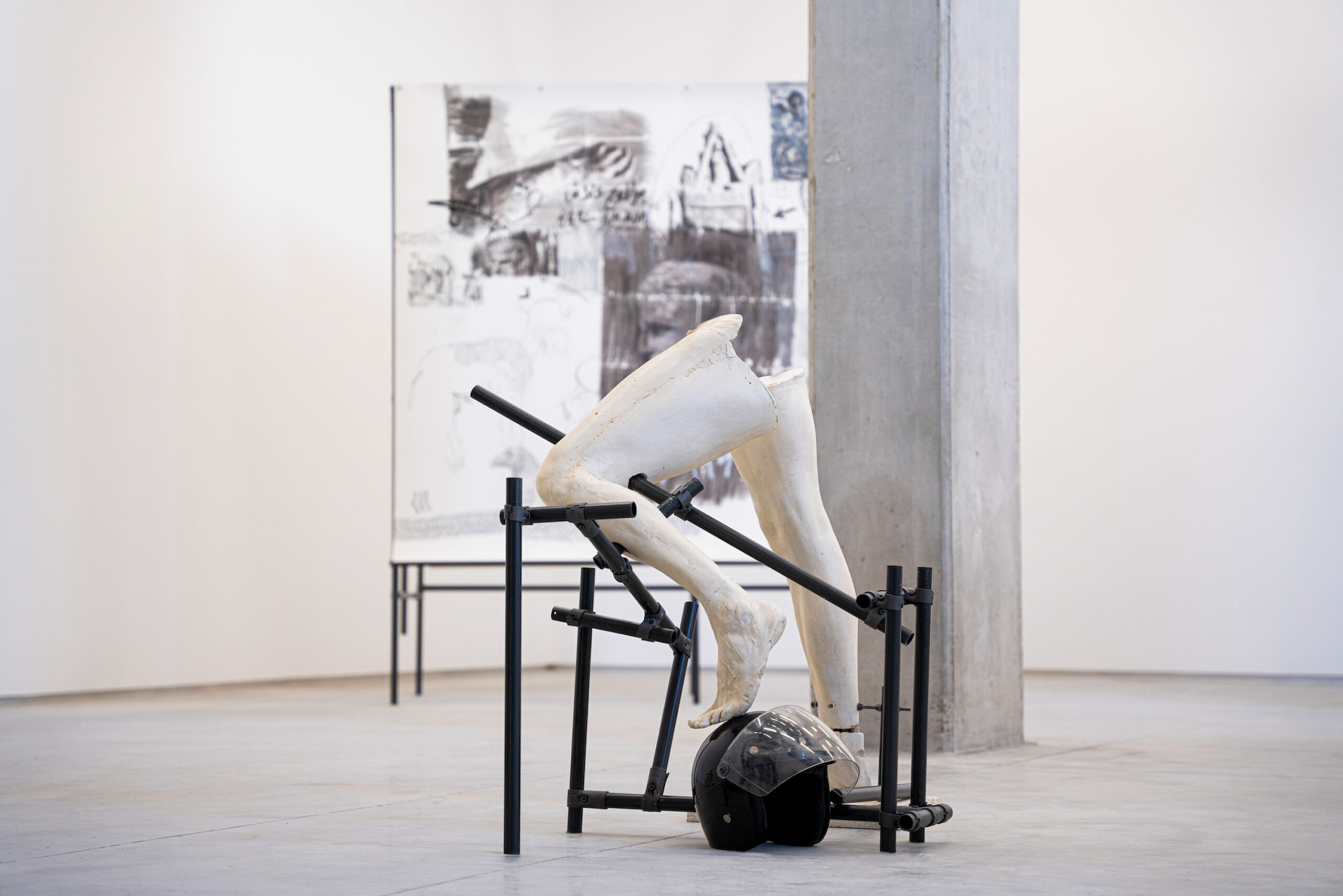
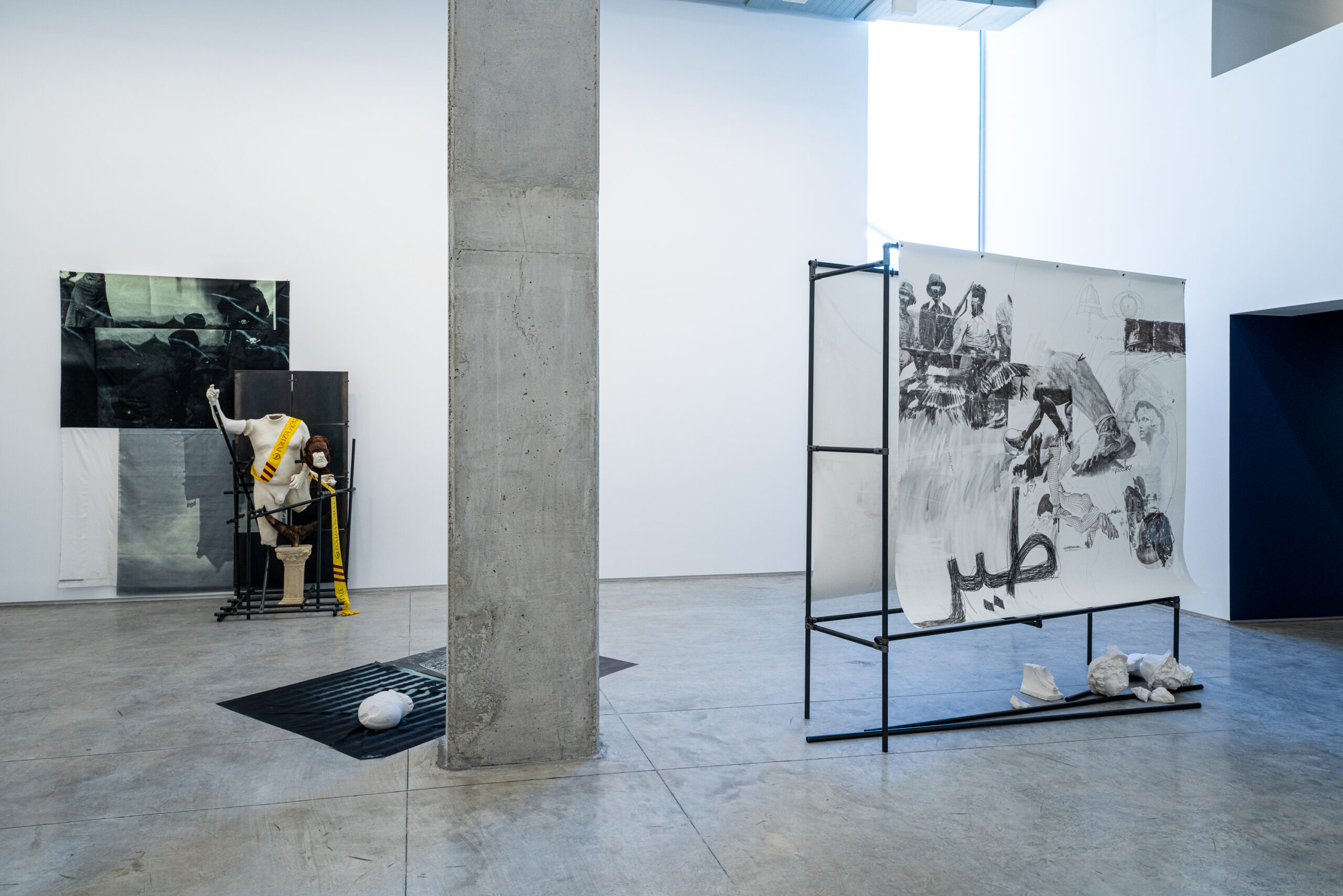
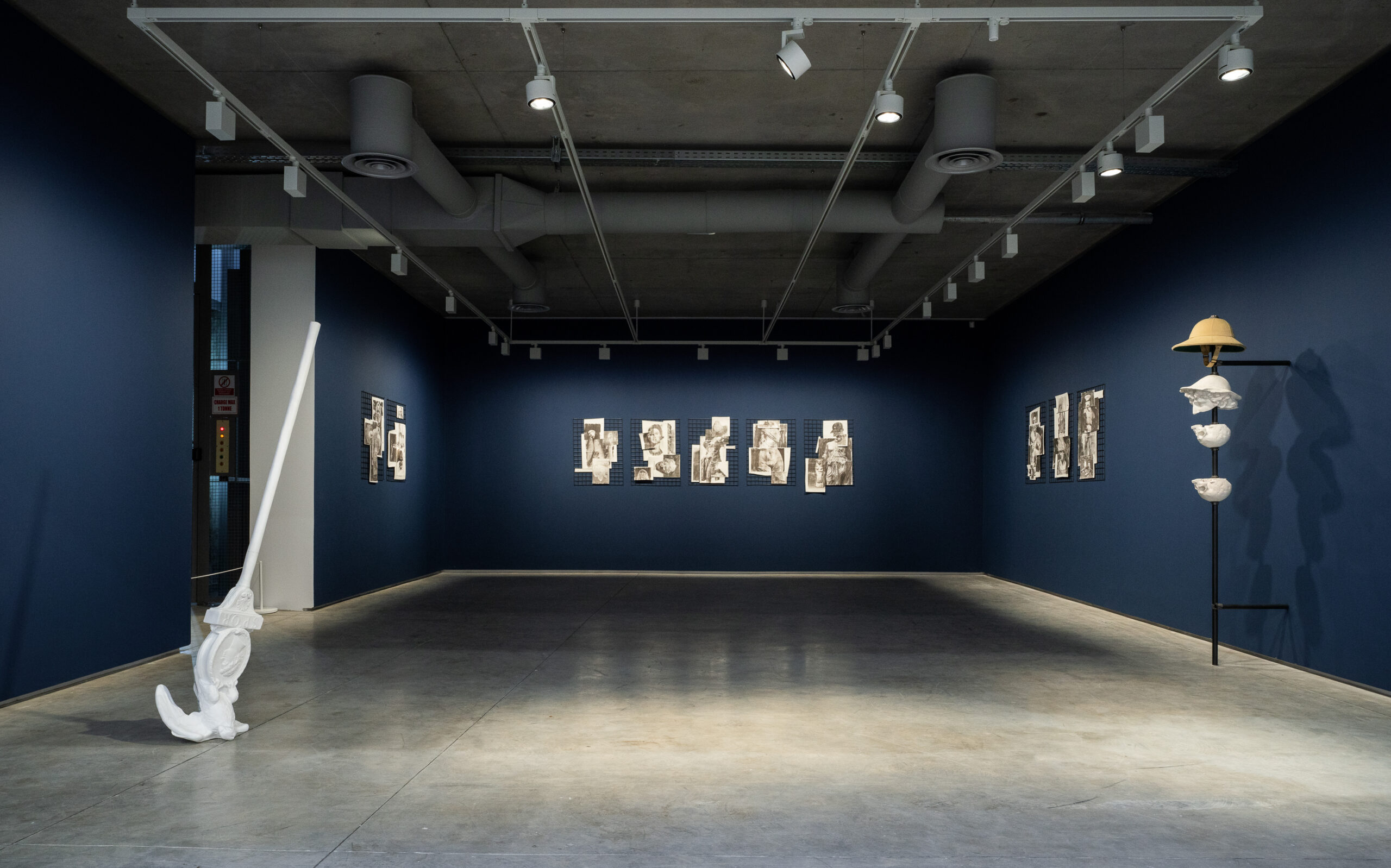
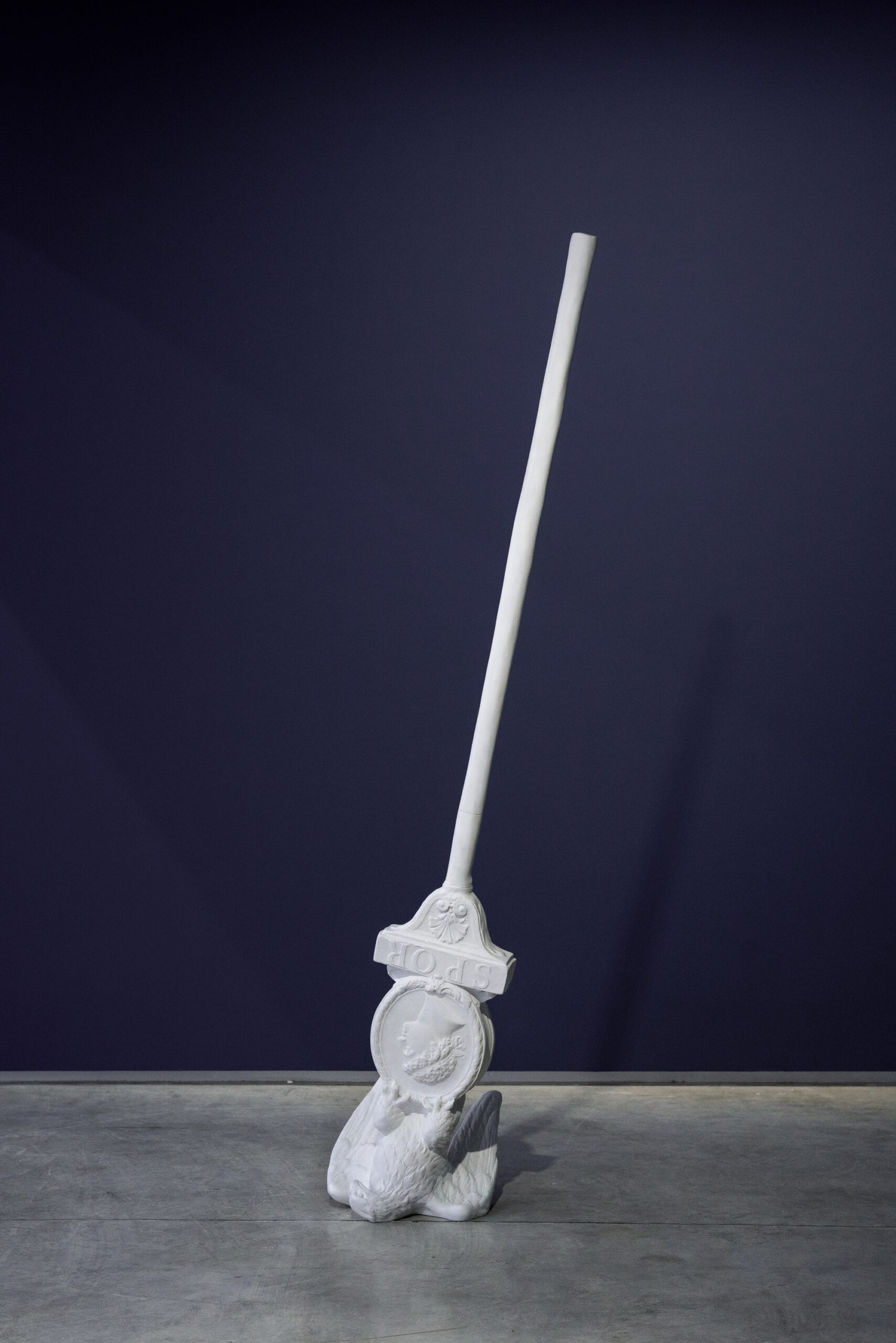
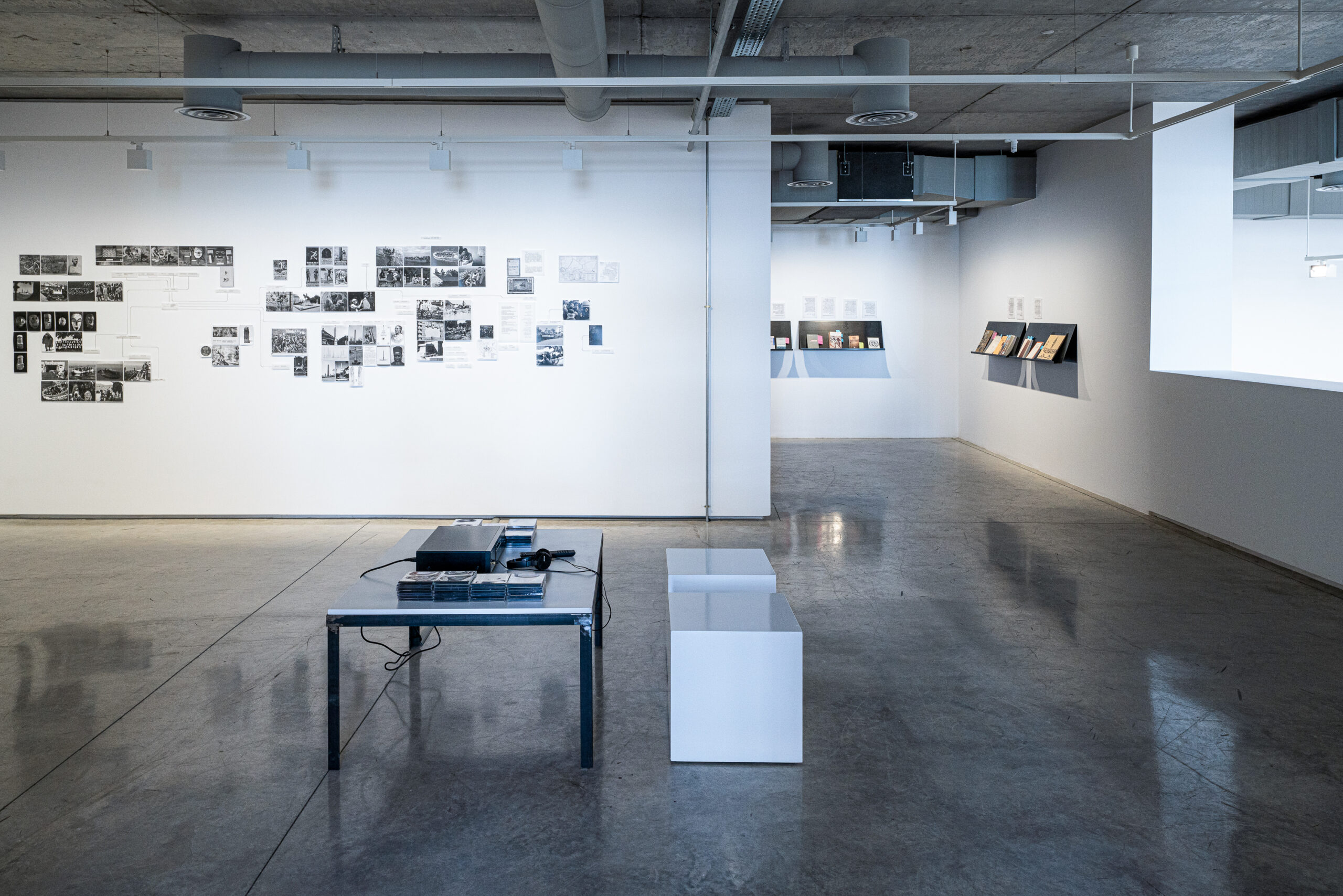
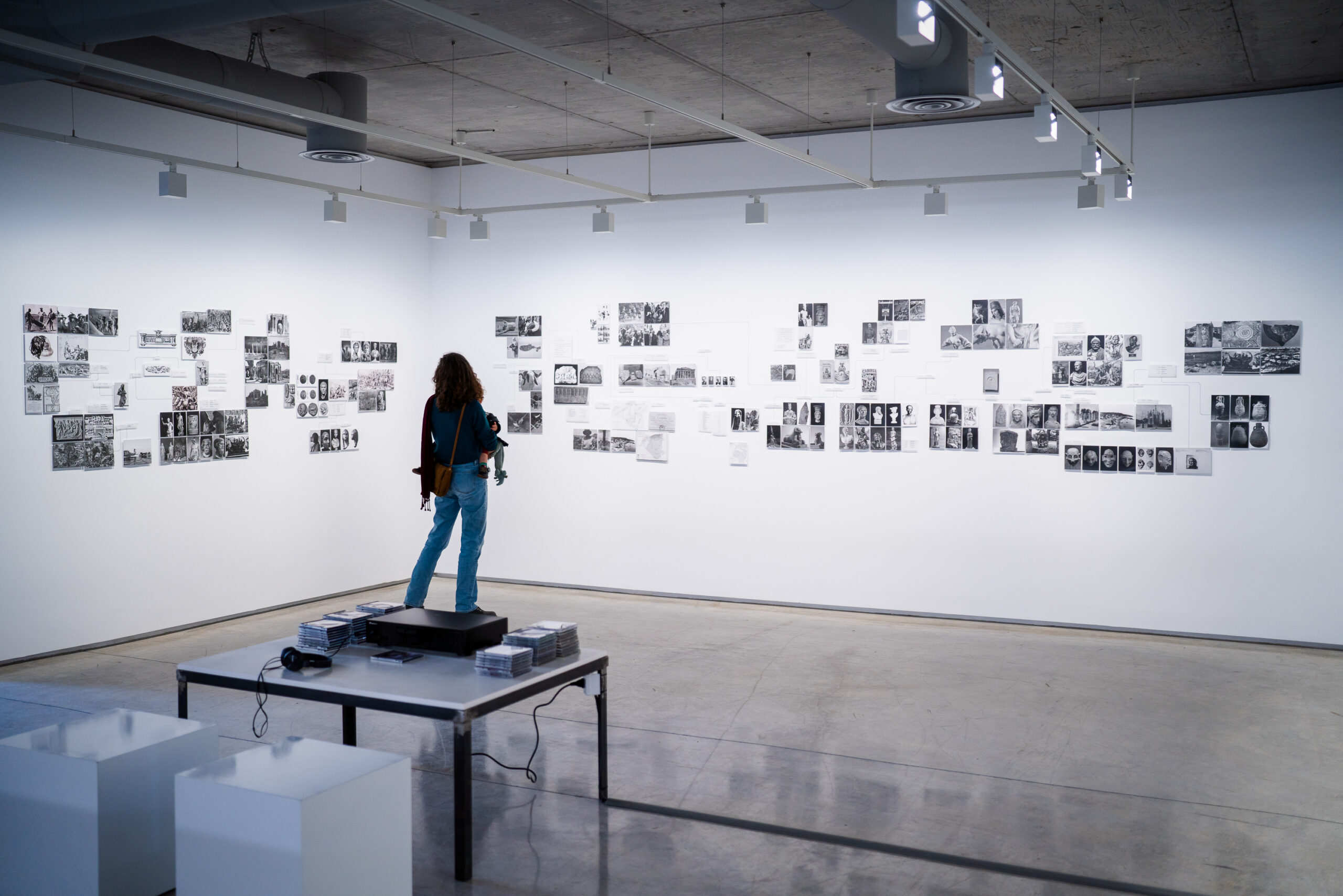
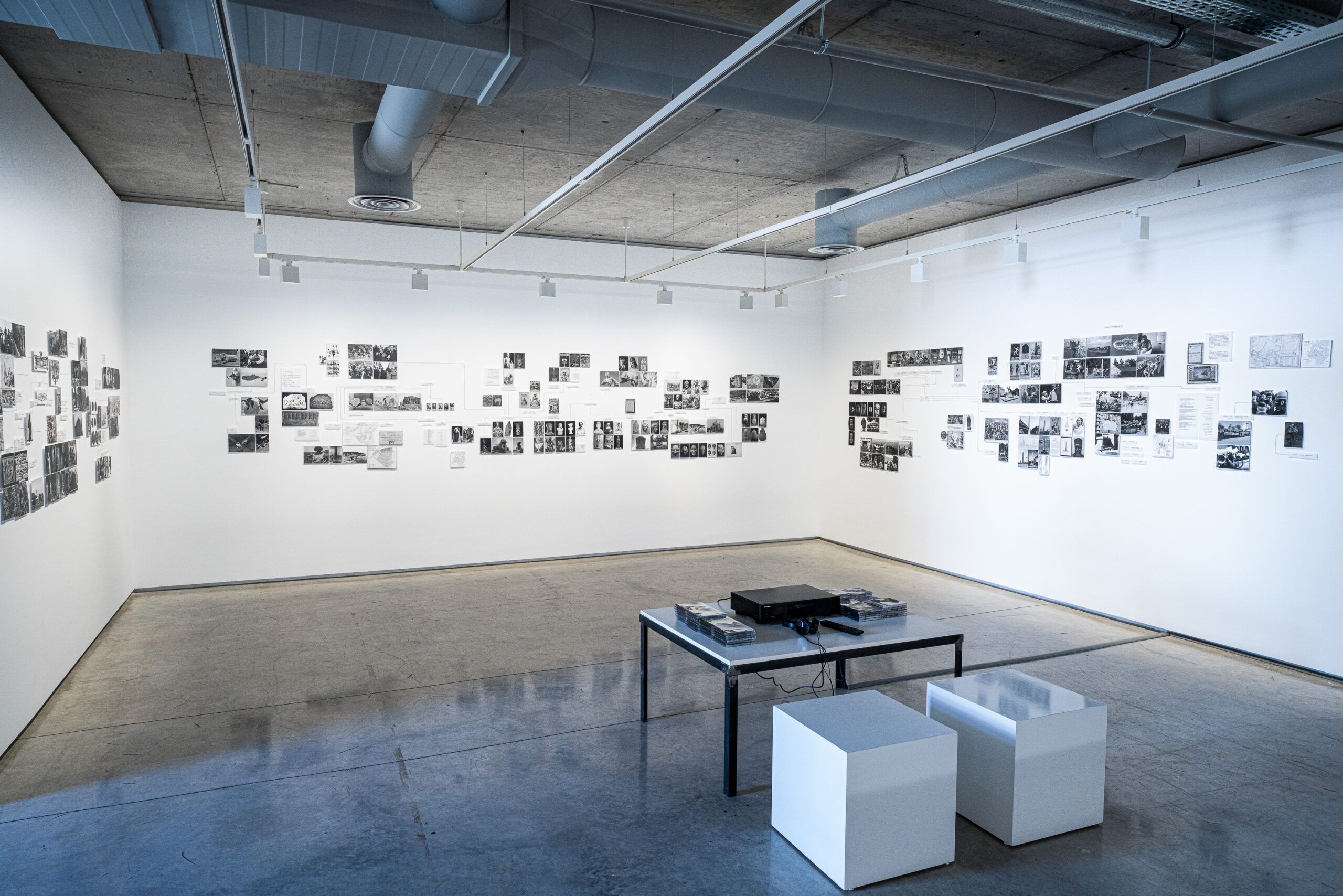
Courtesy of Selma Feriani Gallery and the artist Nidhal Chamekh
