Muʿawiya’s Thread
Production
MUʿAWIYA’S THREAD
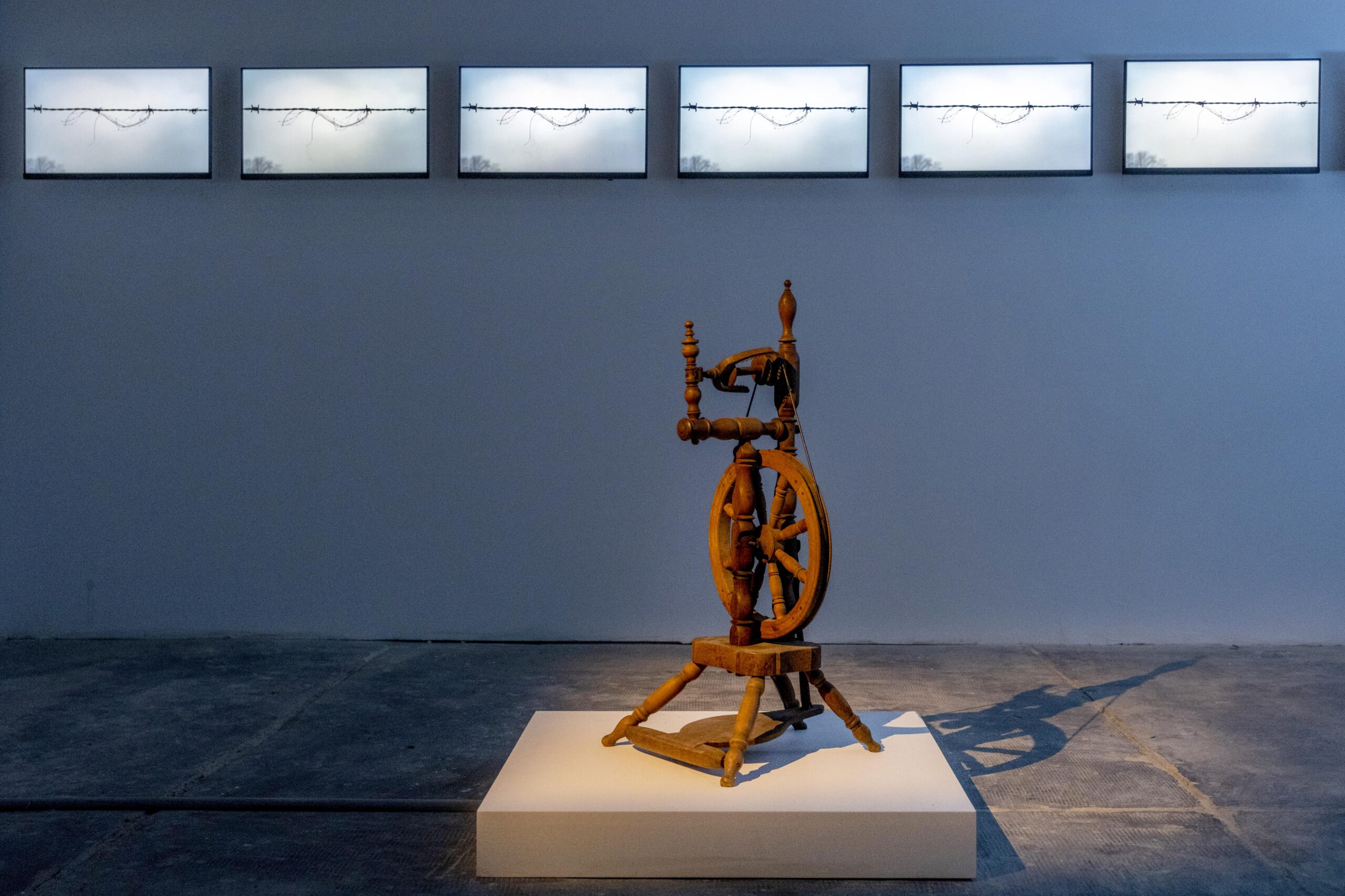
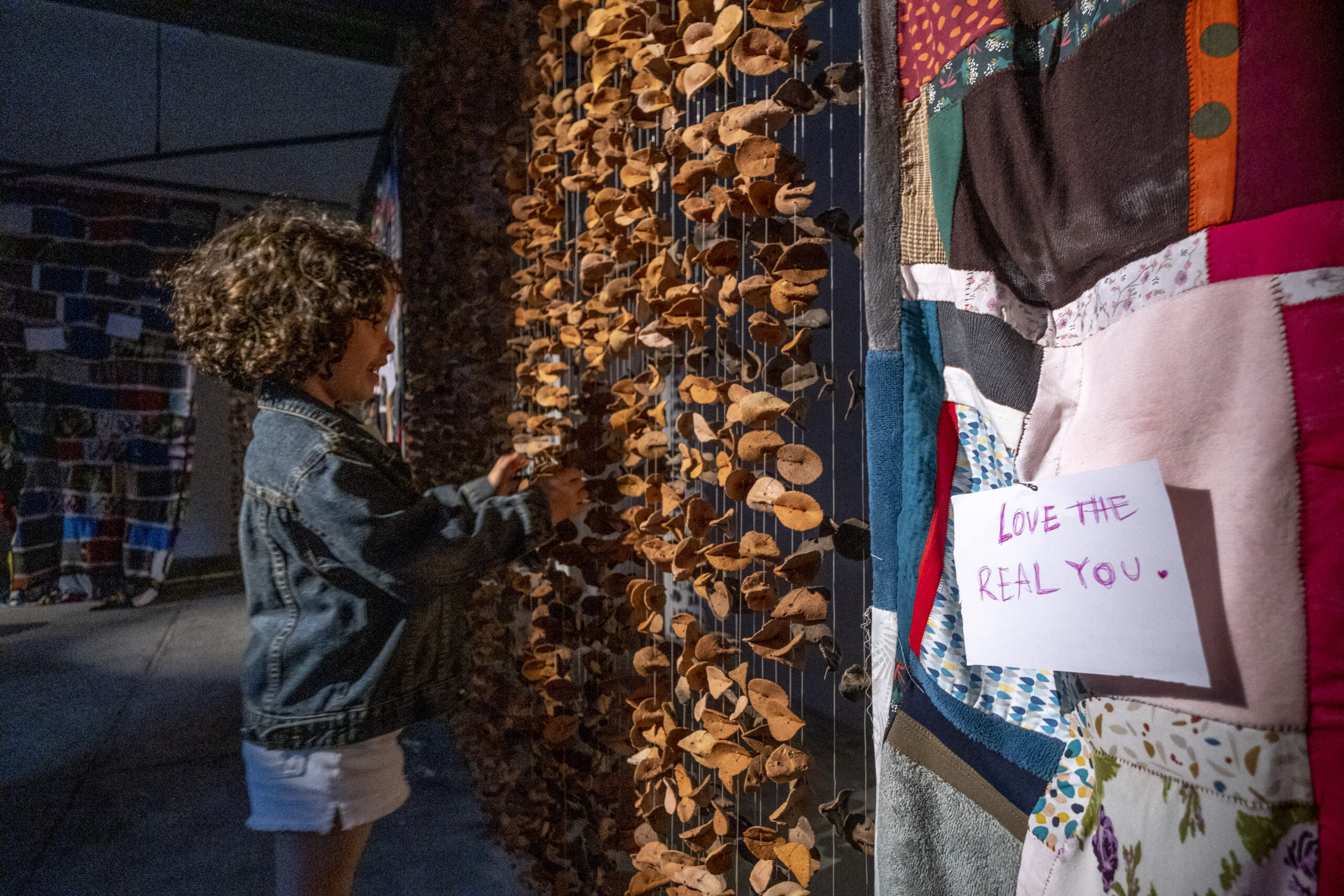
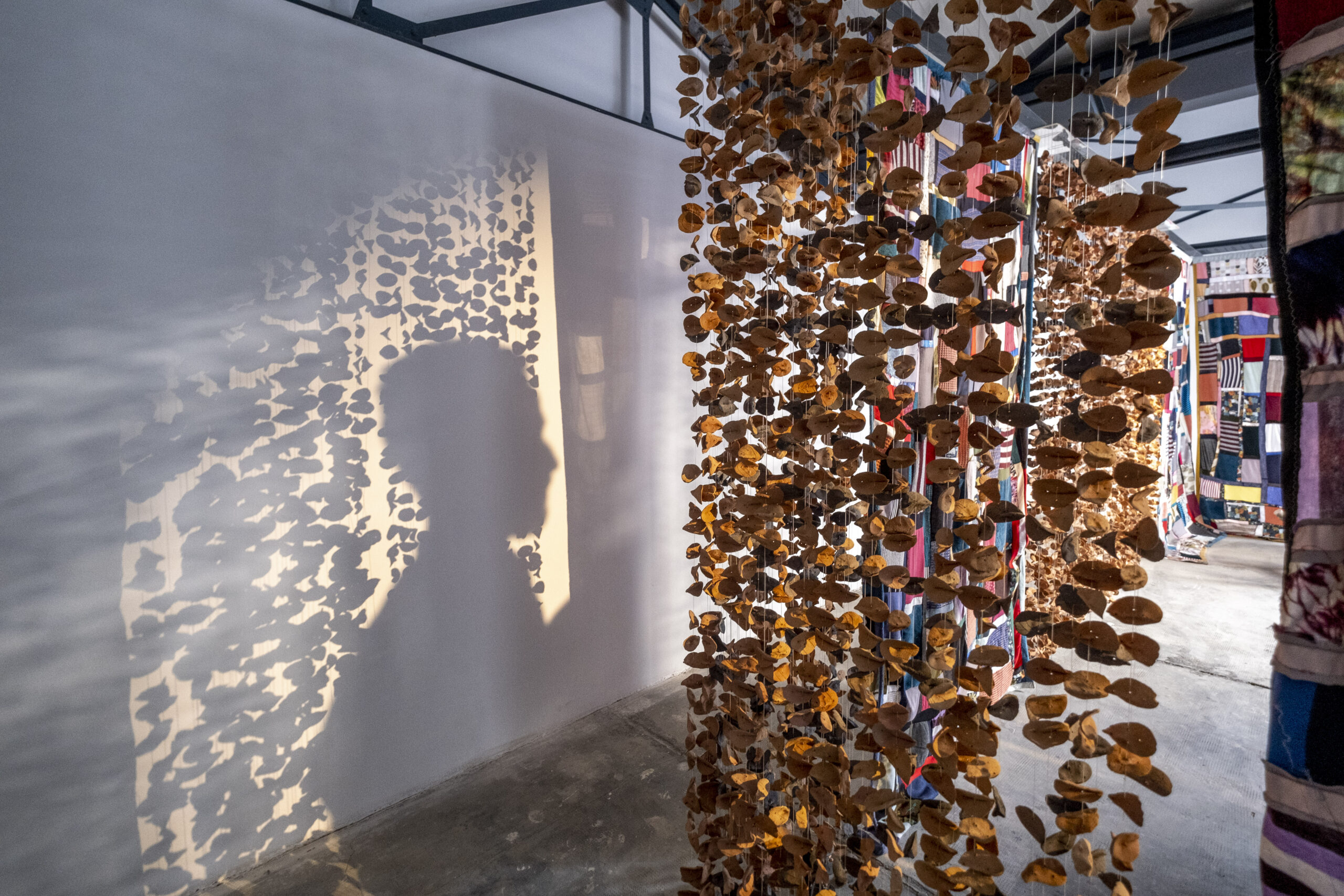
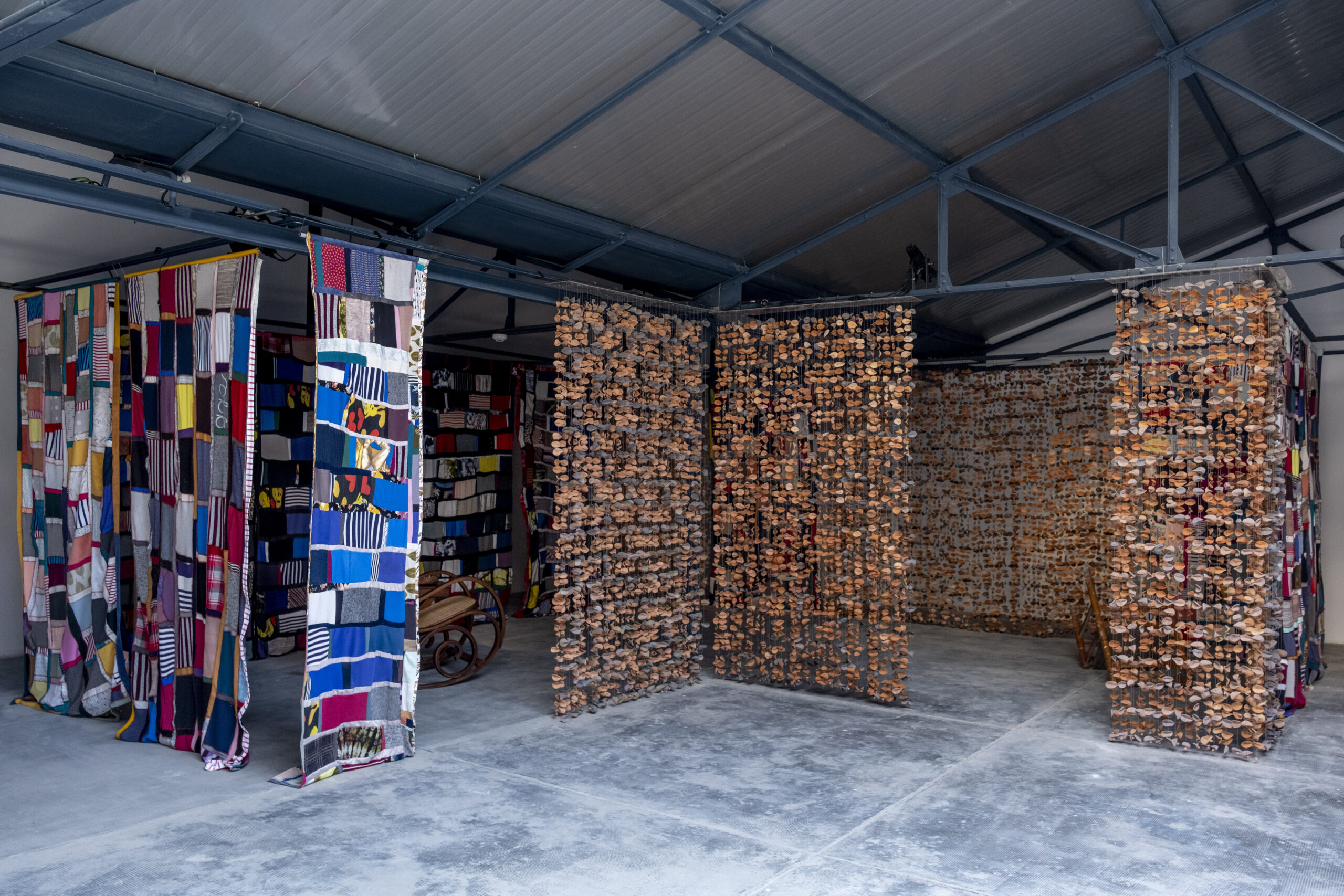
Group show, exhibition production, June to October 2023, 32Bis, Tunis
“If there were only one thread between me and the people, it will never break. If they stretch it, I loosen it, and if they loosen it, I stretch it.” This saying is traditionally attributed to the caliph Muʿawiya, a major figure of the first Fitna, a period of successive wars from which he emerged victorious in 661. An elegy for volatile equilibrium, the metaphor suggests that stability is not the antidote to crisis. How, then, are we to navigate these boiling forces? What happens if the thread breaks?
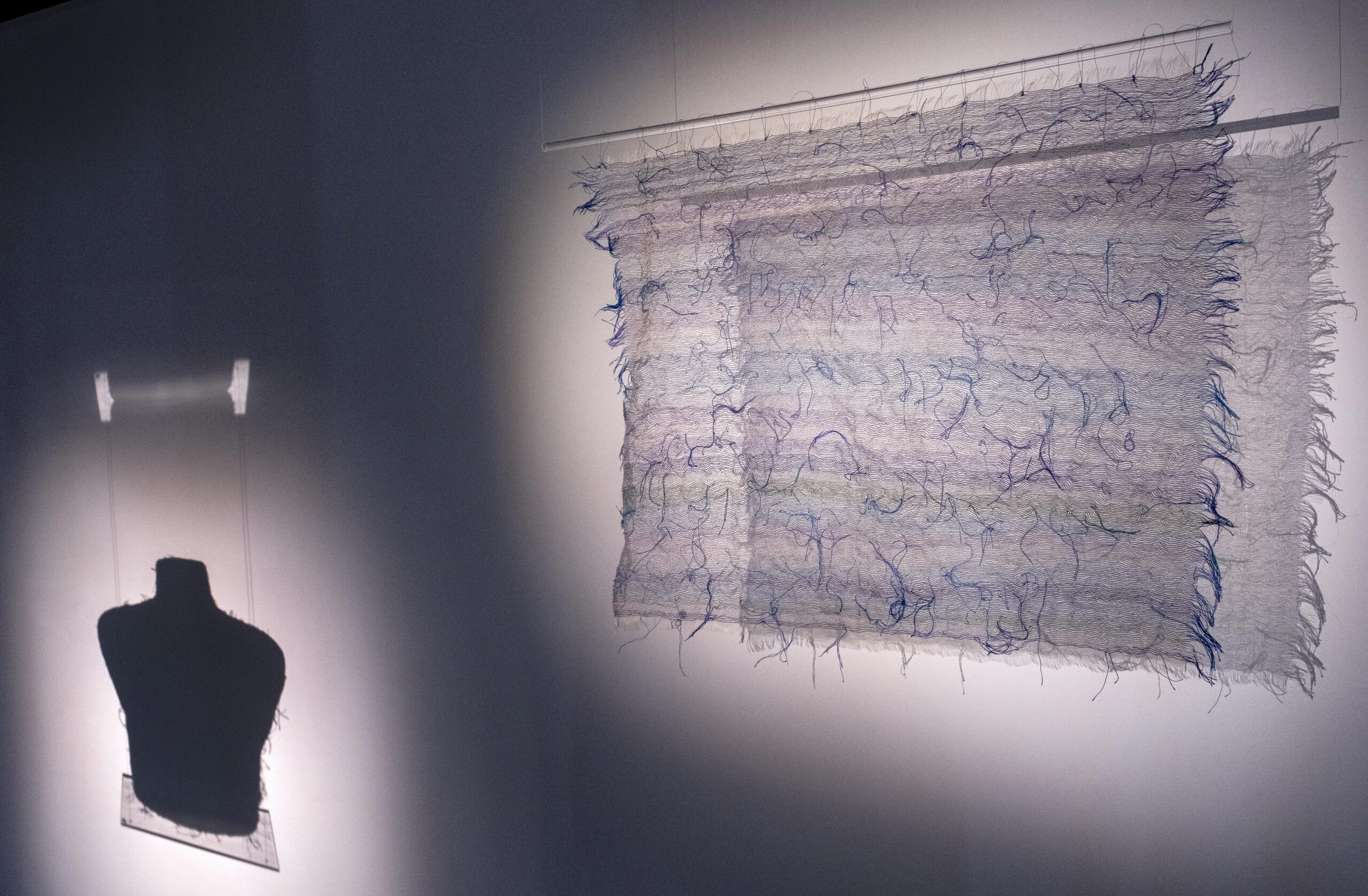
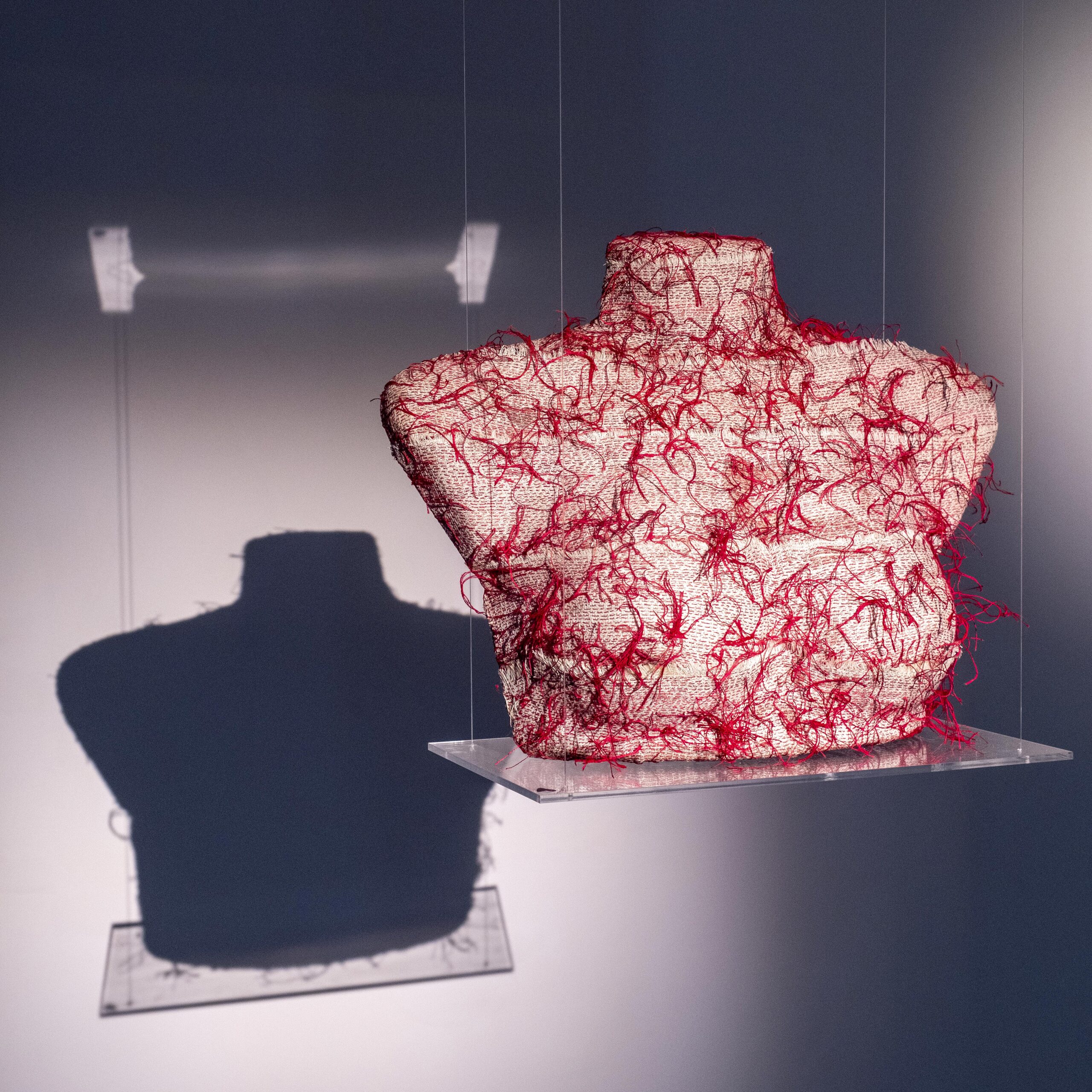
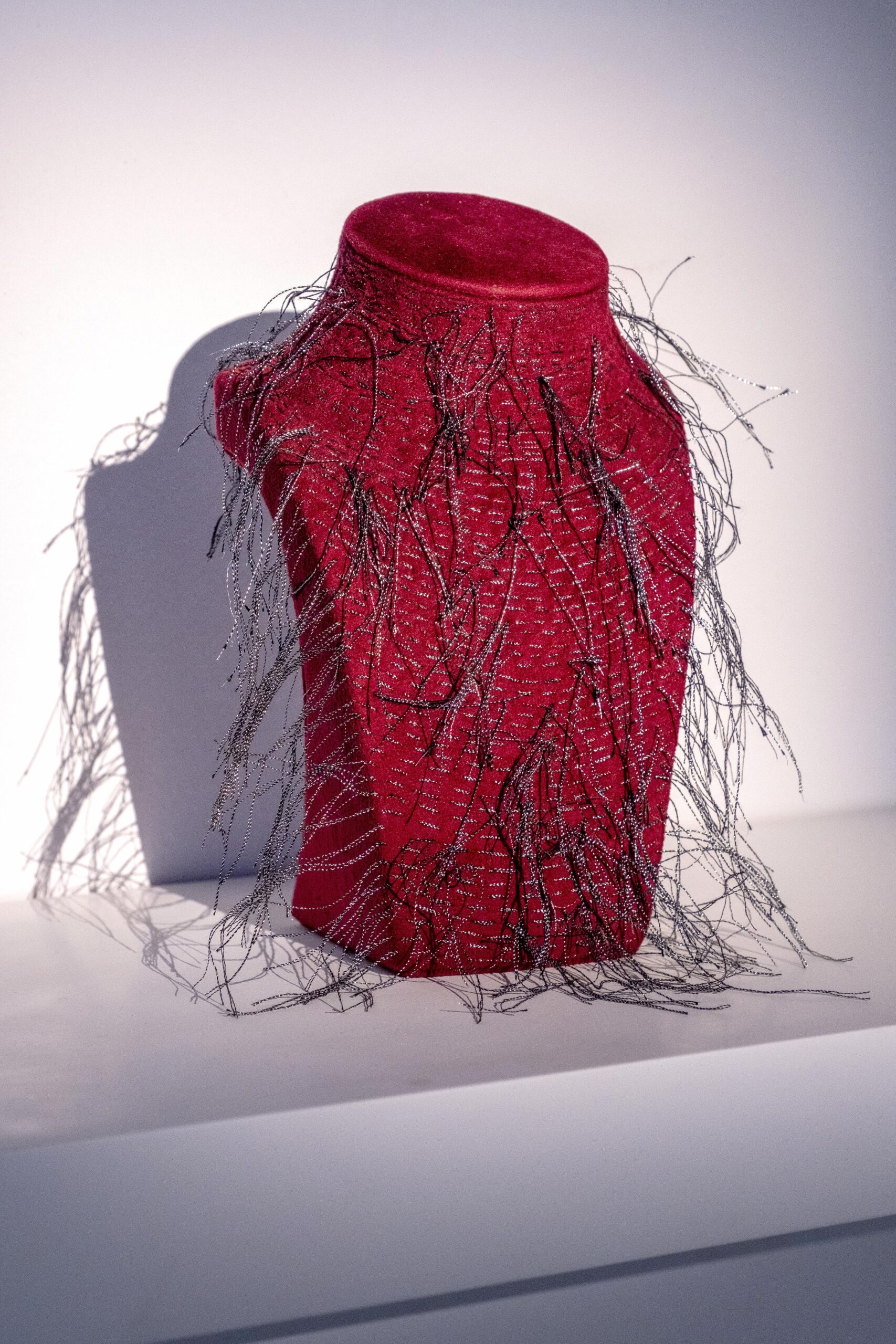
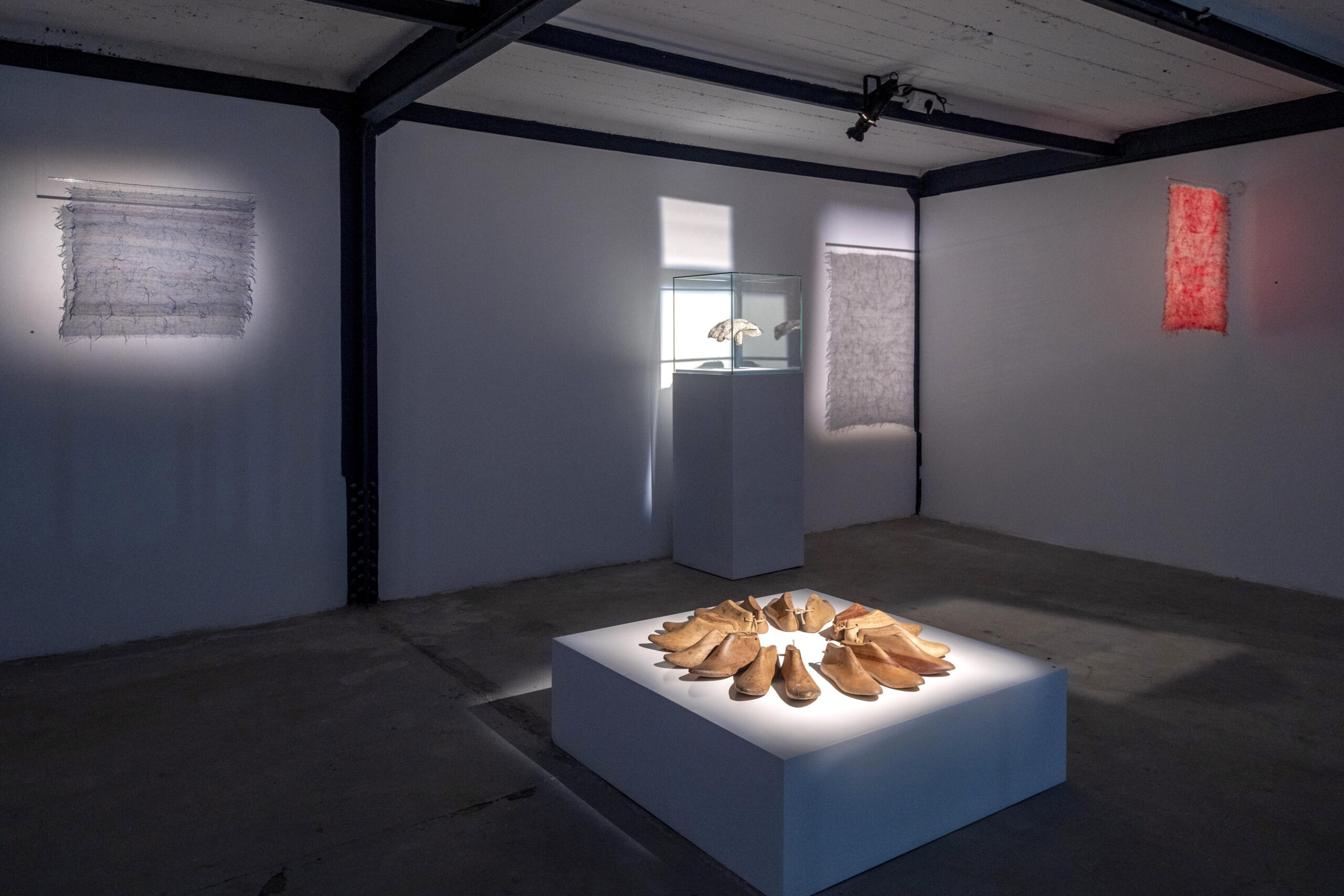
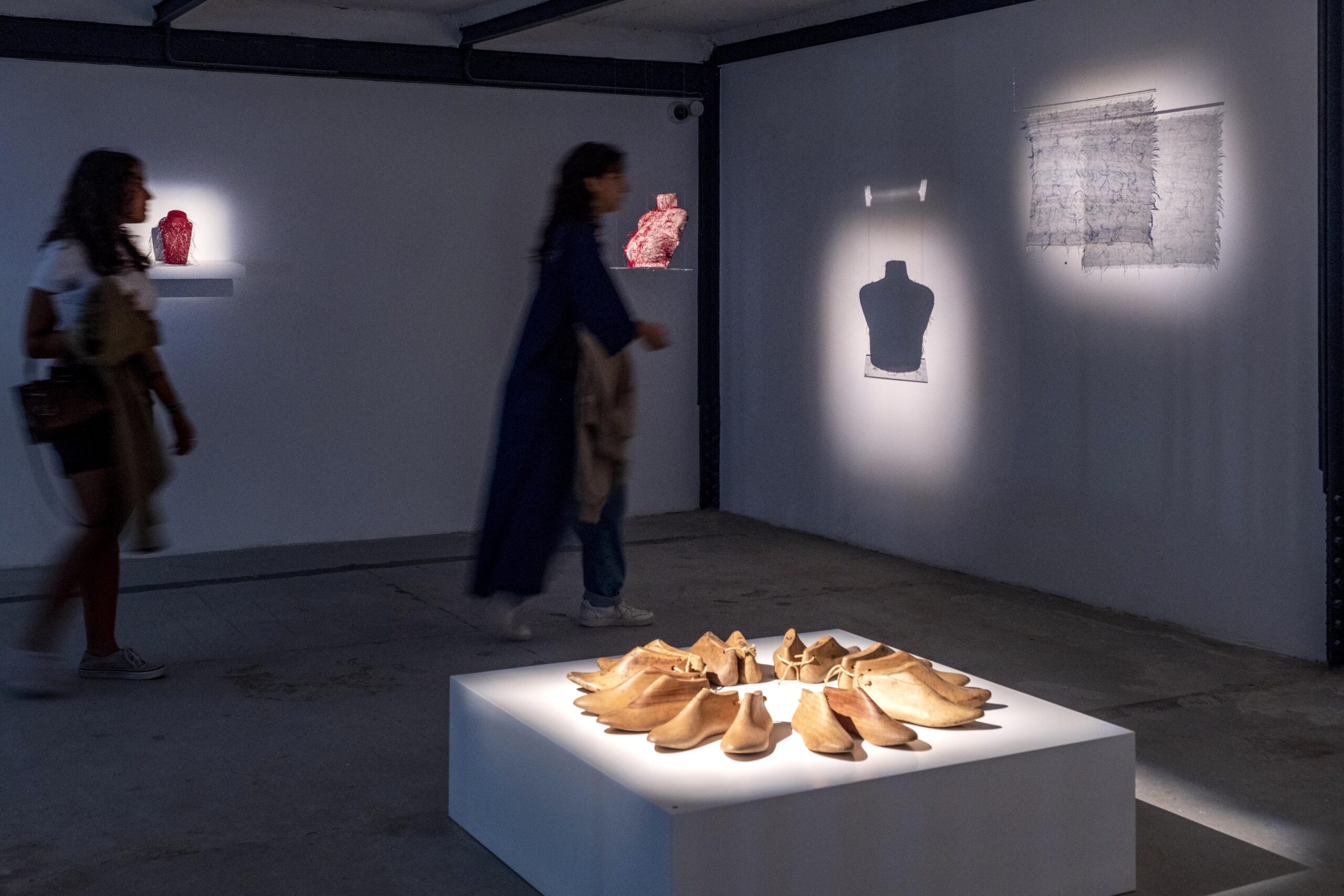
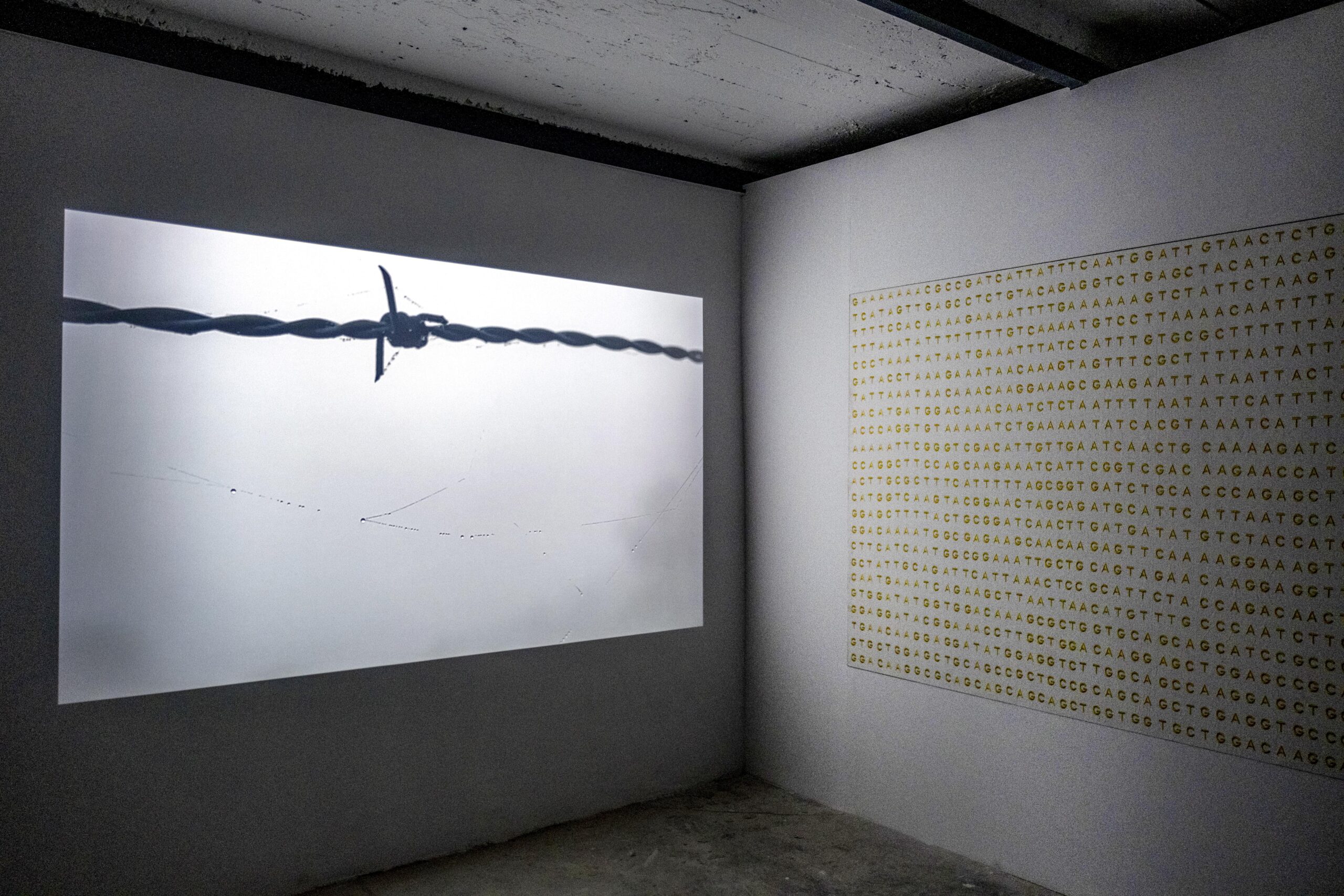
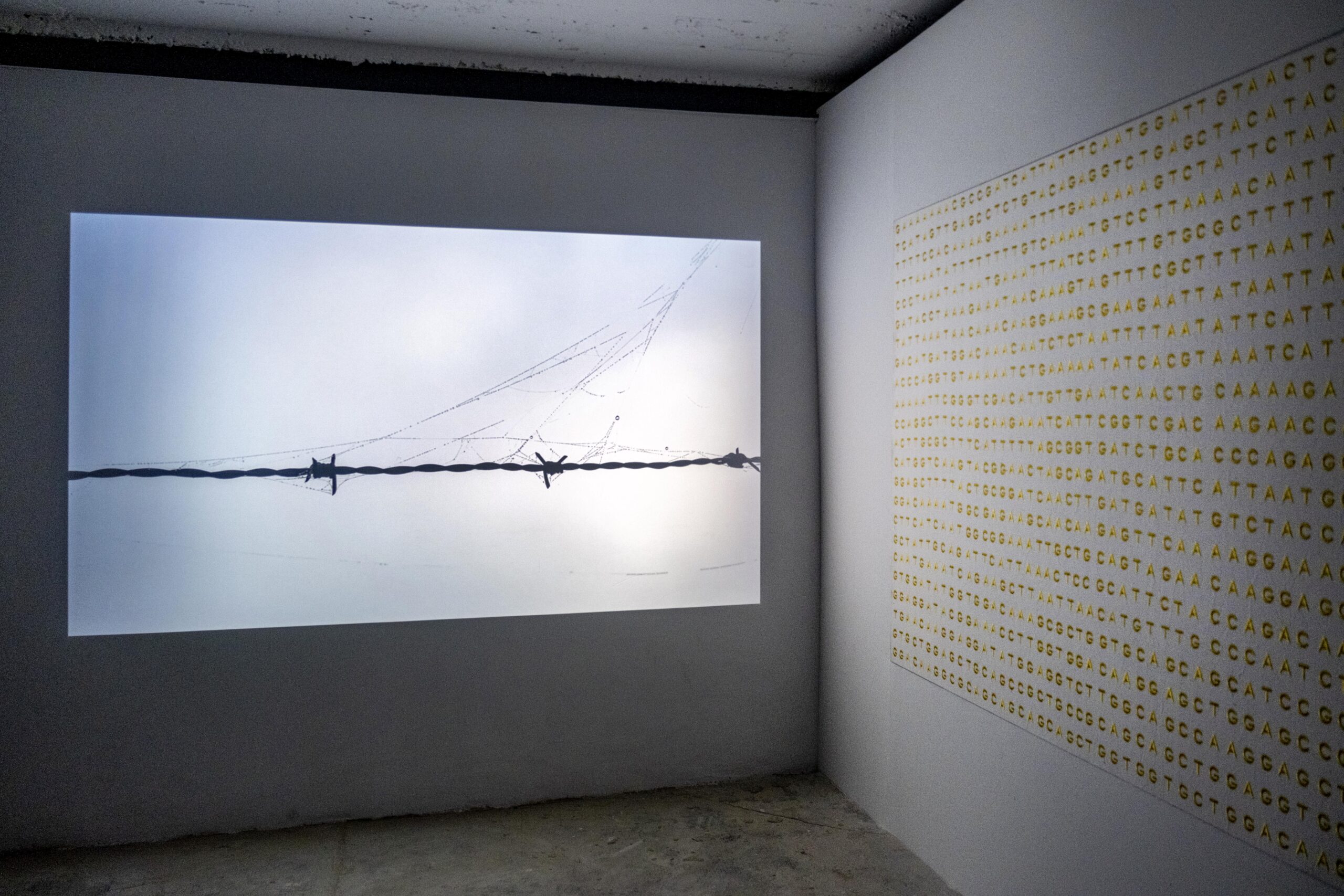
Muʿawiya’s Thread is an exhibition interested in the ways in which we make sense of tumultuous times. To that end, it delves into the imaginaries conjured by the word fitna, which traditionally refers to political crises in early Islam. Fitna also manifests as the turmoil of love, just as it does in the social body at large. Using this analogy, this exhibition calls for embracing the desynchronized expressions of liberty.
Tunisian historian Hichem Djaït’s (1935-2021) book La Grande Discorde [The Great Discord] (1989) provided a conceptual framework for the exhibition. The Ring of the Dove, a treatise on love written by the poet Ibn Hazm in the 11th century, helped elucidate the resonances between disorder in politics and disorder in love. The works on display, many of which emerge from residencies at 32Bis, are the fruits of a reflection shared with some twenty artists from Tunisia and beyond.
« S’il n’y avait entre moi et mes sujets qu’un cheveu, je le relâcherais quand ils le tirent, et le tendrais quand ils le laissent aller ». La tradition prête cette sentence au calife Muʿawiya, acteur majeur de la première Fitna, période de guerres successives dont il sortit vainqueur en 661. Éloge de l’équilibre fluctuant, la métaphore suggère que la stabilité n’est pas un horizon de sortie de crise. Dès lors, comment organiser ces forces en action ? Que se passerait-il si le cheveu venait à se rompre ?
L’exposition Le Cheveu de Muʿawiya s’intéresse à la façon dont nous donnons du sens aux périodes de tumulte. Elle puise pour cela dans les imaginaires liés au mot fitna, qui désigne traditionnellement les crises politiques de l’Islam des origines. Les significations complexes de fitna renvoient aussi bien au trouble amoureux qu’à celui du corps social. À travers cette analogie, l’exposition appelle à embrasser les expressions désordonnées de la liberté.
La lecture du livre La Grande Discorde (1989) de l’historien tunisien Hichem Djaït (1935-2021) a accompagné la conception de cette exposition. Le Collier de la colombe, traité sur l’amour composé par le poète Ibn Hazm au XIe siècle, a donné matière au rapprochement entre trouble politique et trouble passionnel. Les œuvres montrées sont le fruit d’une réflexion partagée avec une vingtaine d’artistes de Tunisie et d’autres horizons. Nombre d’entre elles furent spécialement conçues lors de résidences au 32Bis.
Artists: Marwan Elgamal, Randa Mirza, Joëlle de La Casinière, Gouider Triki, Souhir El Amine, Abdoulaye Konaté, Amel Bennys, Jan Kopp, Huda Lutfi, Intissar Belaïd, Emmanuelle Andrianjafy, Nadia Kaabi-Linke, Lina Ben Rejeb, Siryne Eloued, Ngozi-Omeje Ezema, Doa Aly, Wiame Haddad, Dorothy Iannone, Sarah Pucci, Slavs and Tatars, Yazan Khalili and Lara Khaldi.
Curator: Nadine Atallah
Artistic direction: Camille Lévy Sarfati
Production: Hela Djobbi, Salma Kossemtini, Roya Mansar
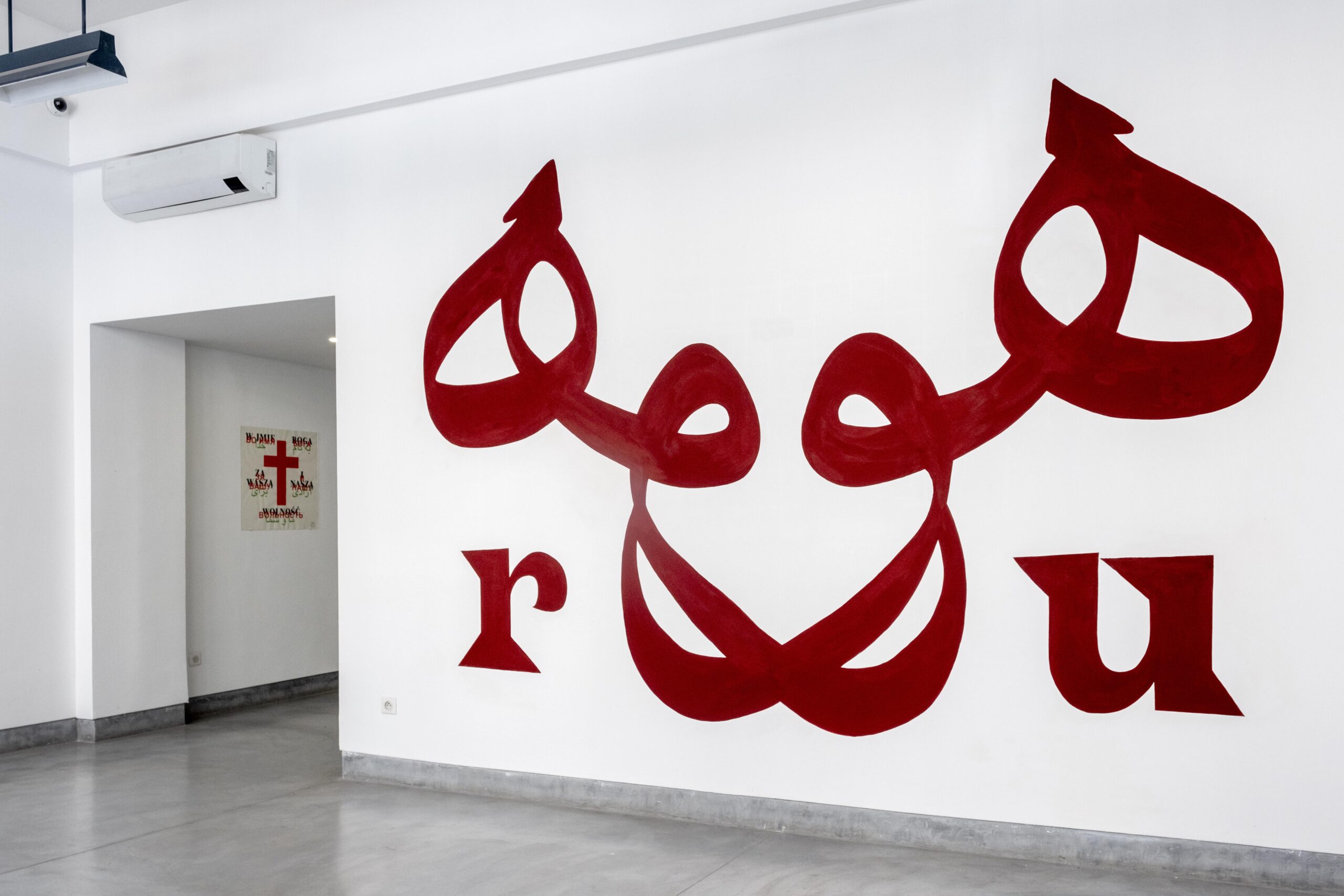
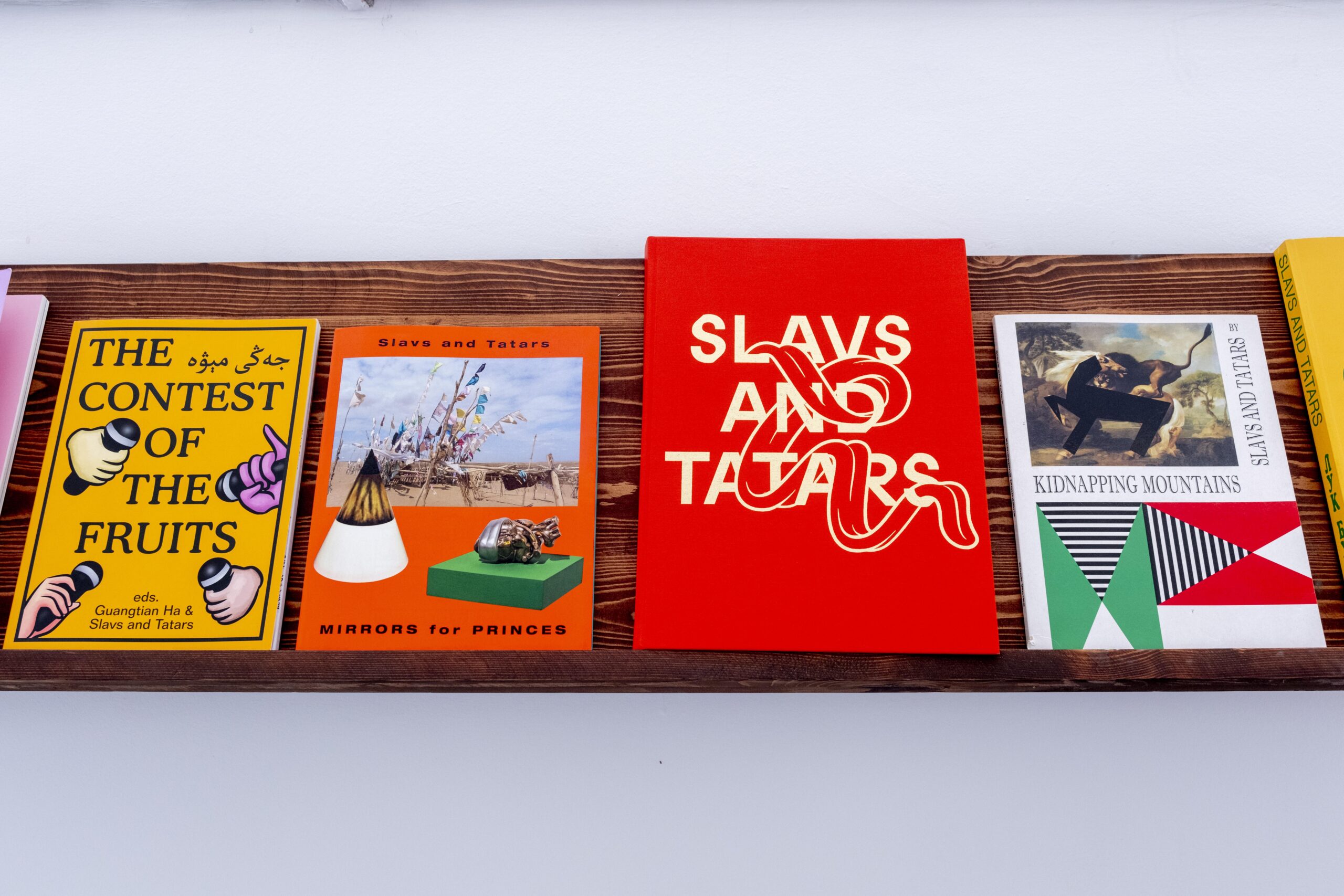
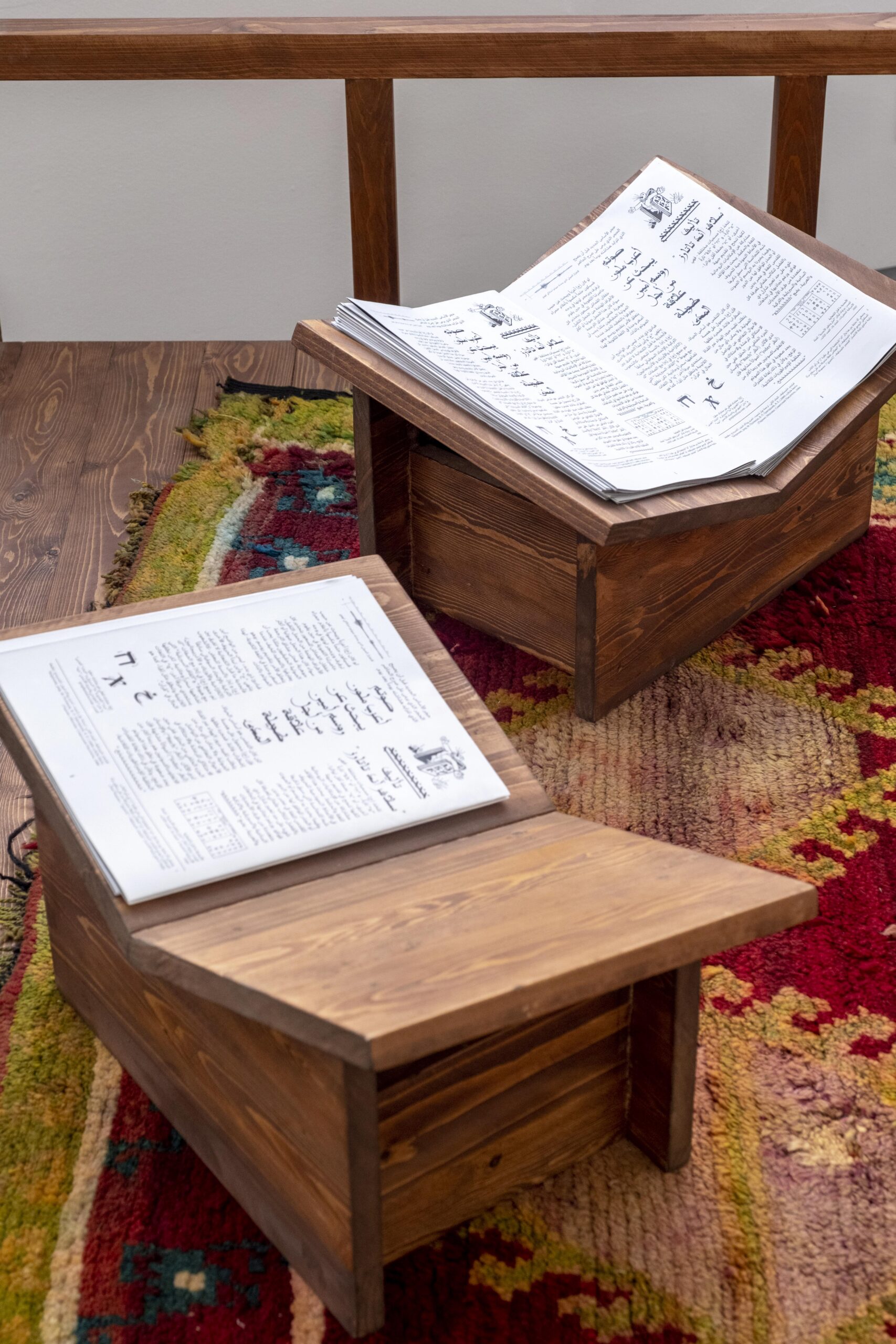
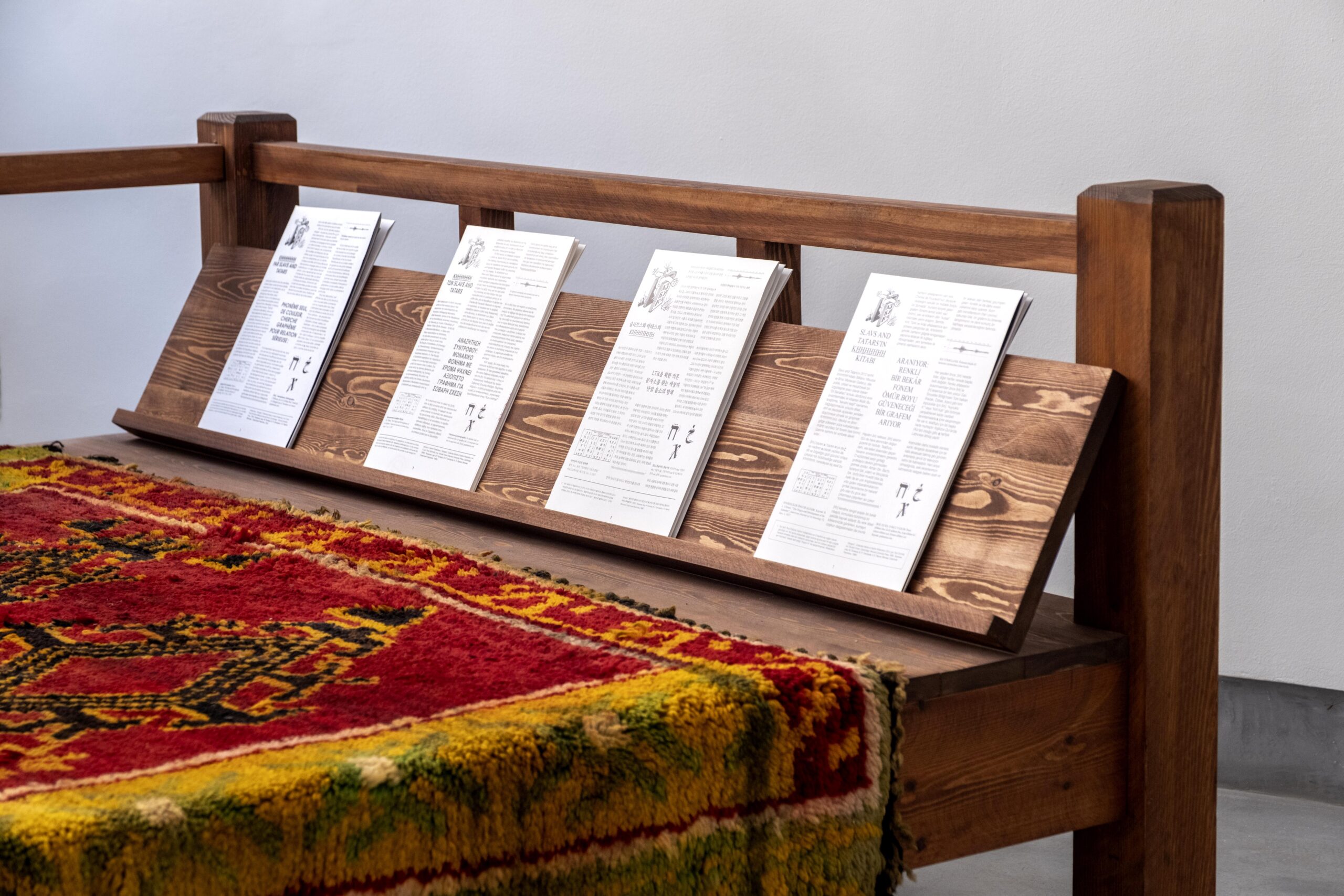
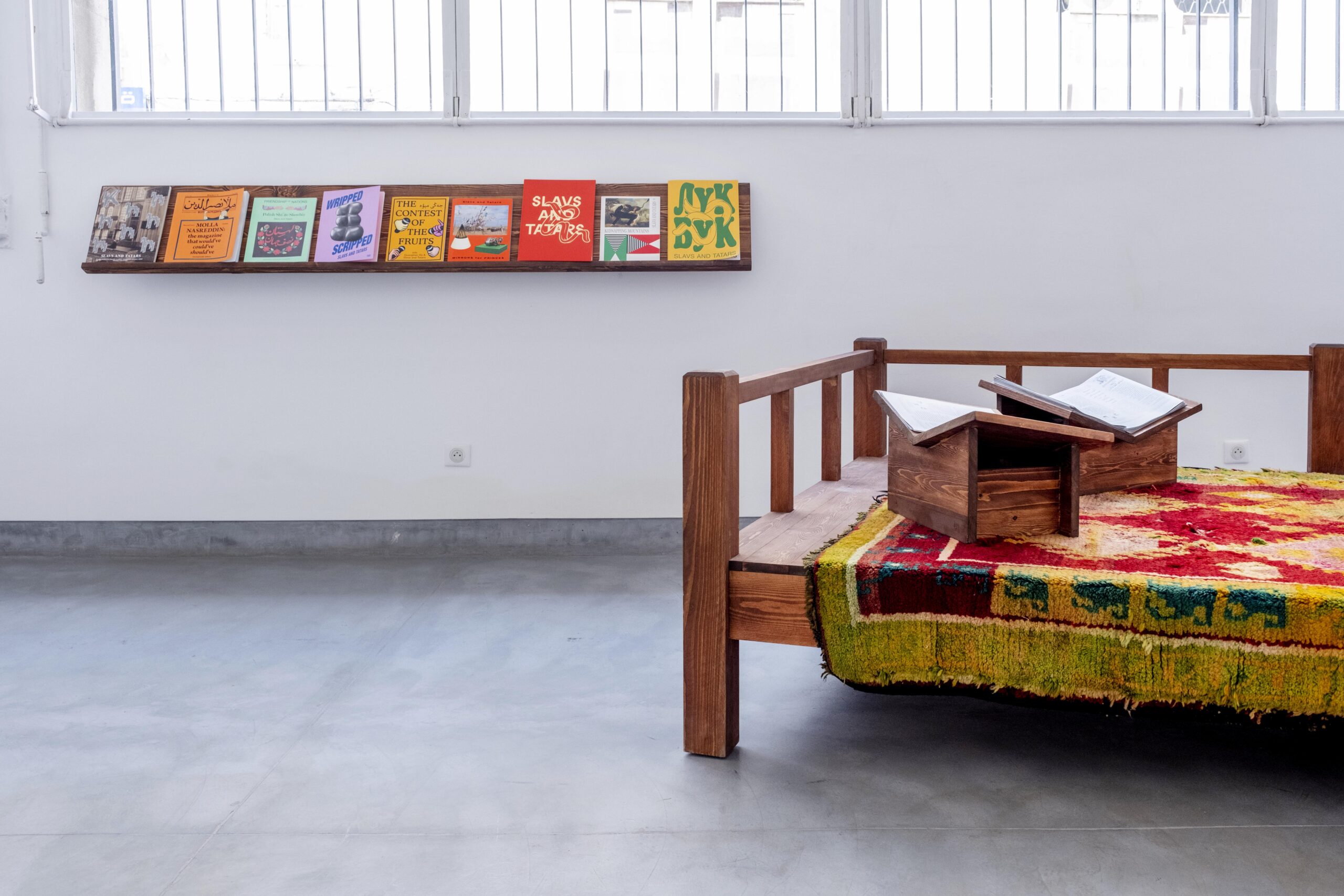
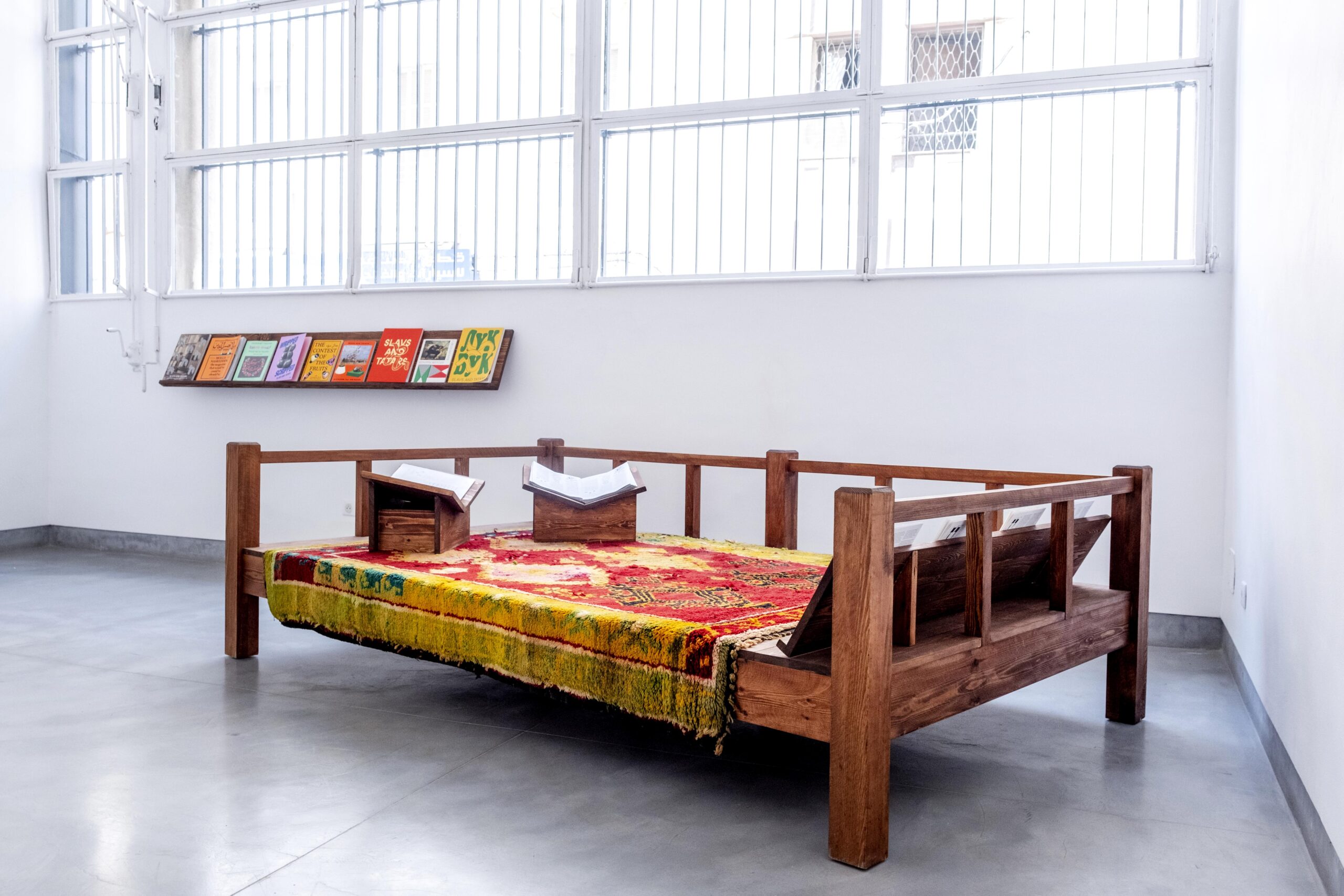
My role: production of the new works and follow-up of Huda Lutfi, Intissar Belaïd, Jan Kopp, Nadia Kaabi-Linke, Ngozi-Omeje Ezema and Slavs and Tatars.
Scenography: Agence Dzeta
Mediation: Wissal Bettaieb
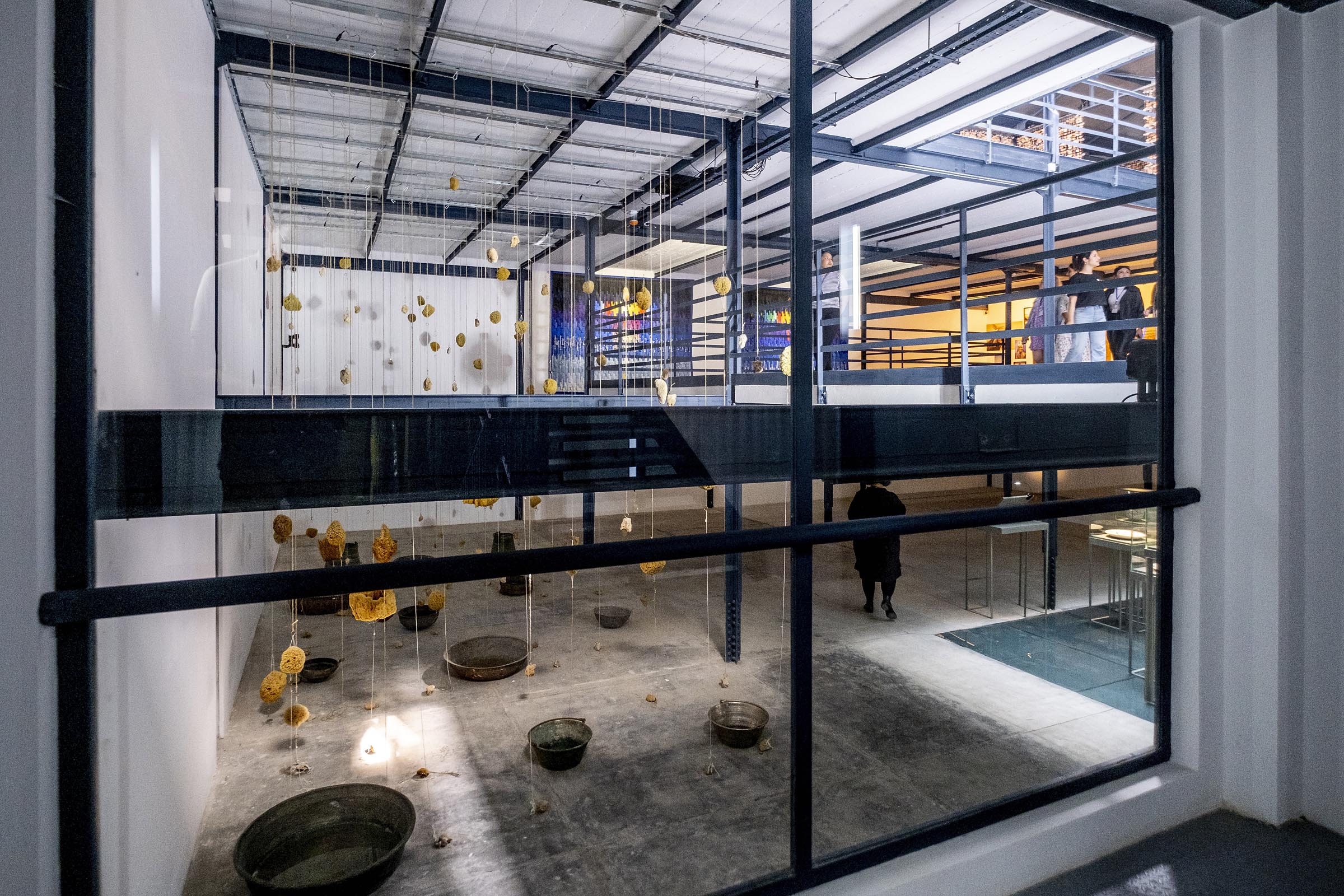
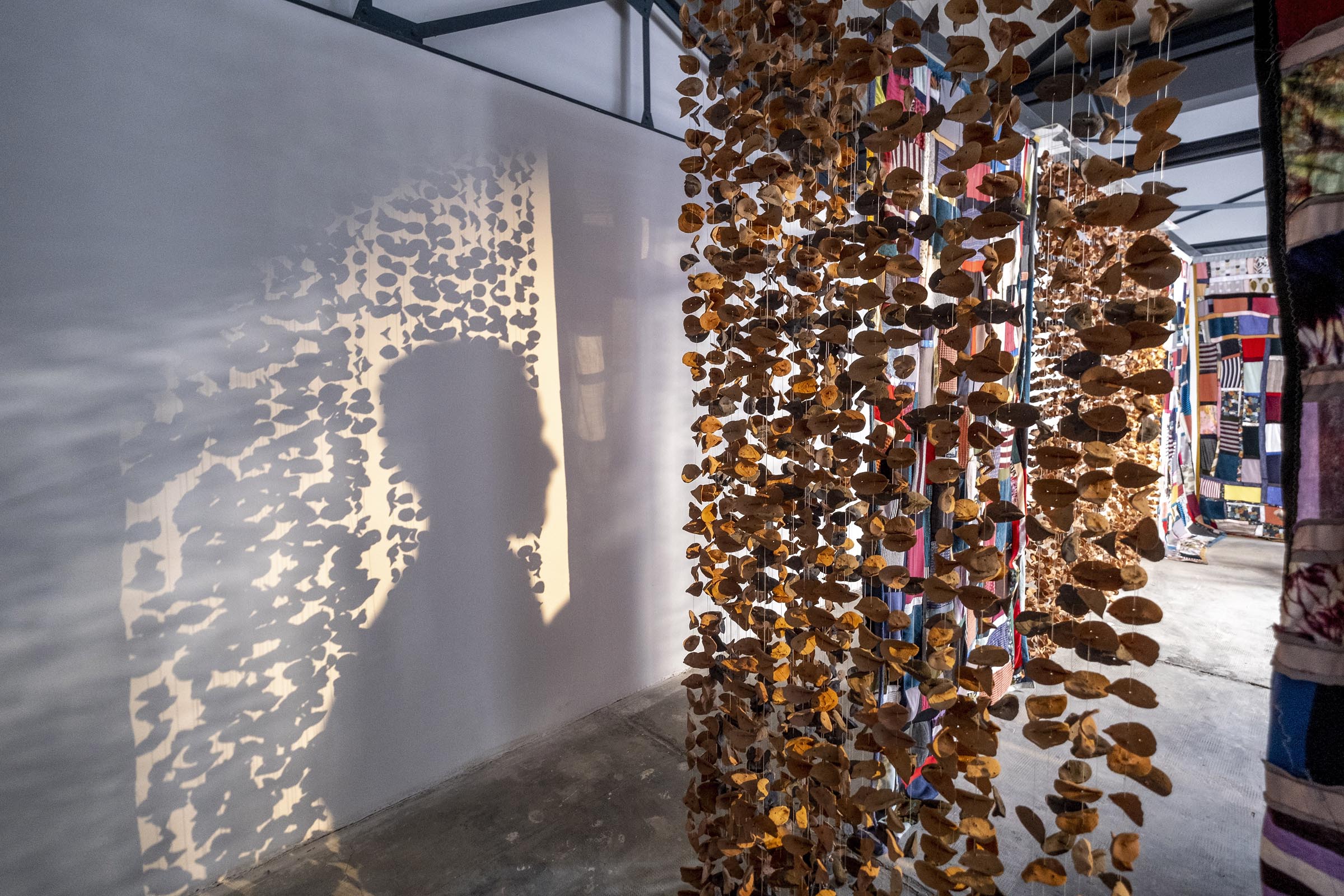
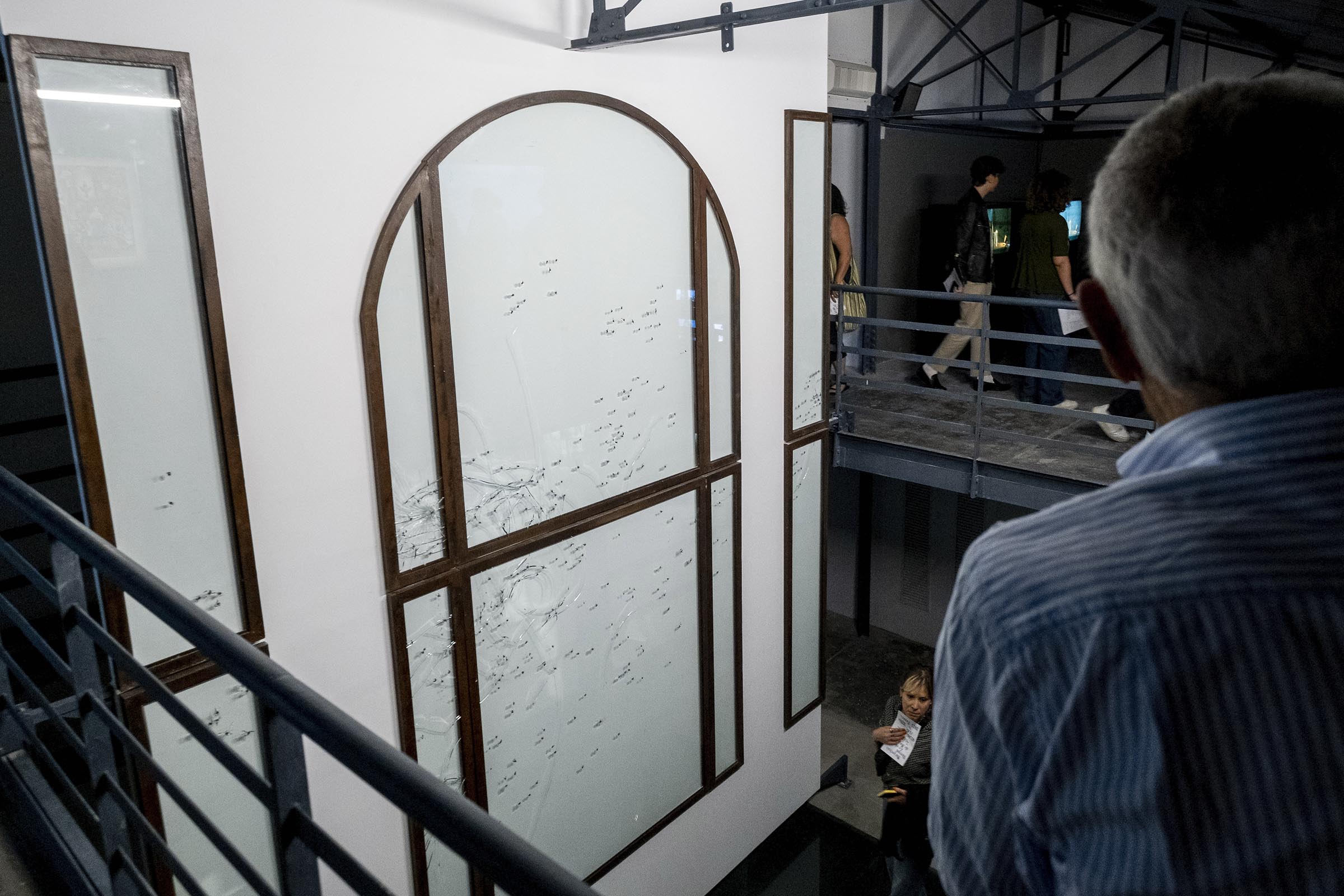
Photos: Nicolas Fauqué, courtesy of 32Bis
